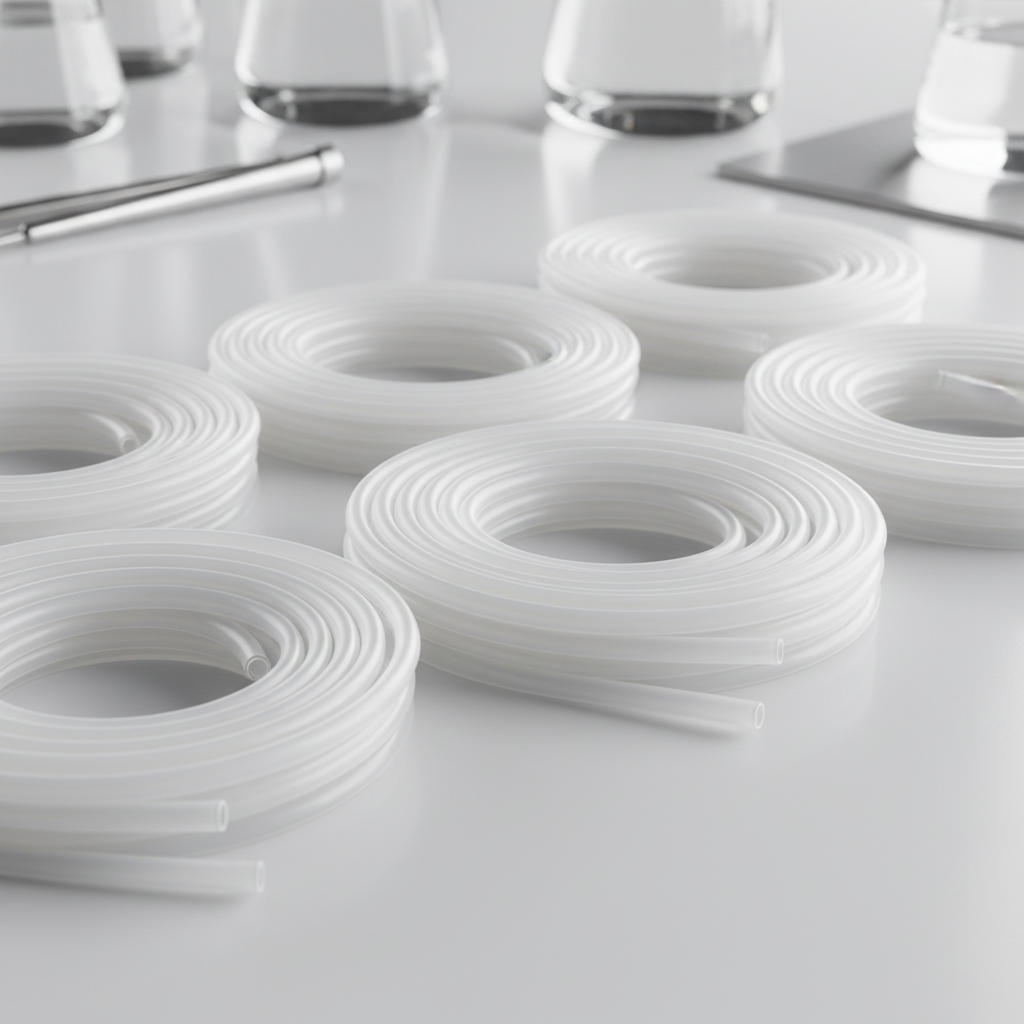
Smooth Bore PTFE Tubing
Low-friction fluid paths for chemical transfer, instruments and general equipment routing.
Get a Quote
PTFE Tubing Manufacturer · Custom Extrusion
Select PTFE tubing by size system, wall format and operating condition, then confirm the drawing, sample and documentation package with a manufacturer supporting low-volume trials and repeat production.
Free samples: typically 5–10 m per model after dimensions and application details are confirmed.
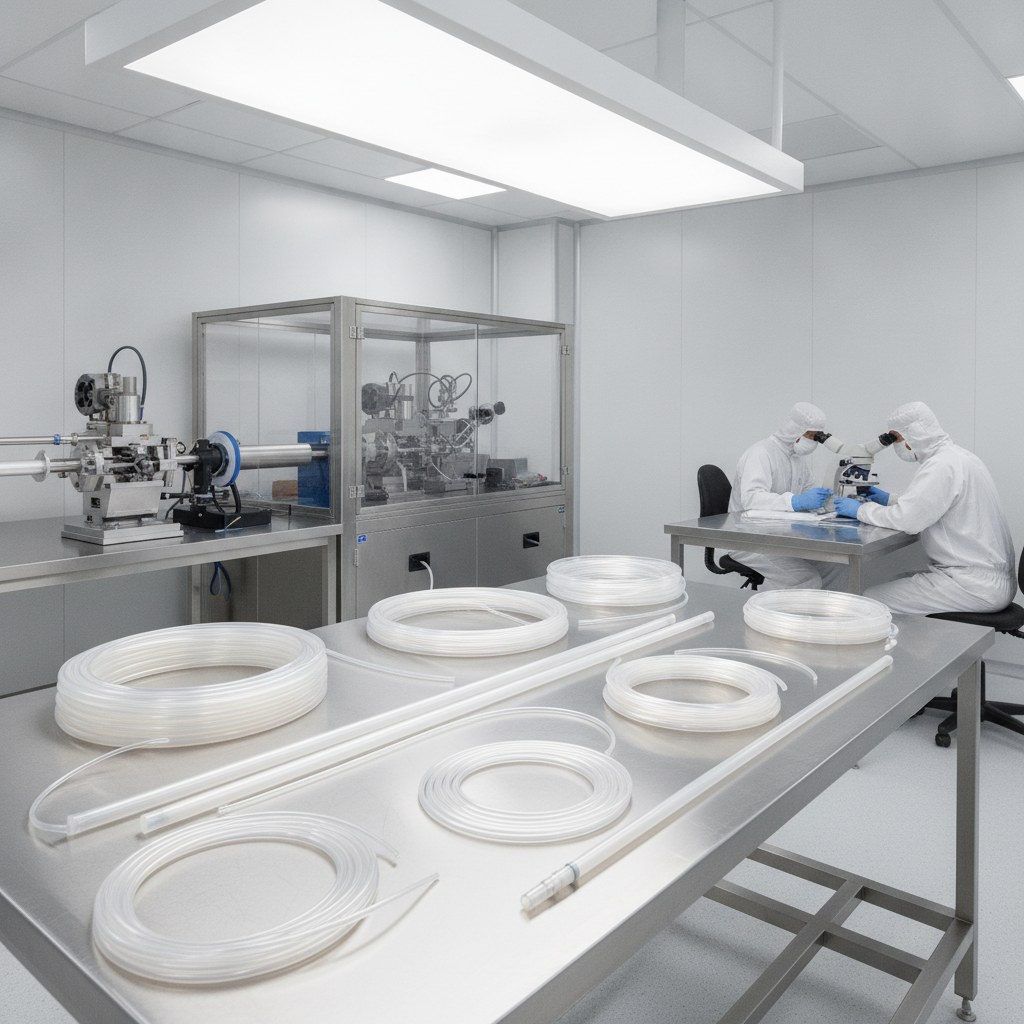
PTFE tubing is an extruded fluoropolymer tube made from polytetrafluoroethylene, selected for chemical resistance, low friction, electrical insulation and service temperatures up to 260°C. Chans Fluorotubing is a PTFE tubing factory in China with 14+ PTFE tube machines, supporting metric, fractional, AWG and drawing-defined sizes, free samples and OEM/ODM production.
Product types
Compare wall construction, bore size, filled compounds, identification options and supplied formats before confirming the production drawing.
Low-friction fluid paths for chemical transfer, instruments and general equipment routing.
Get a Quote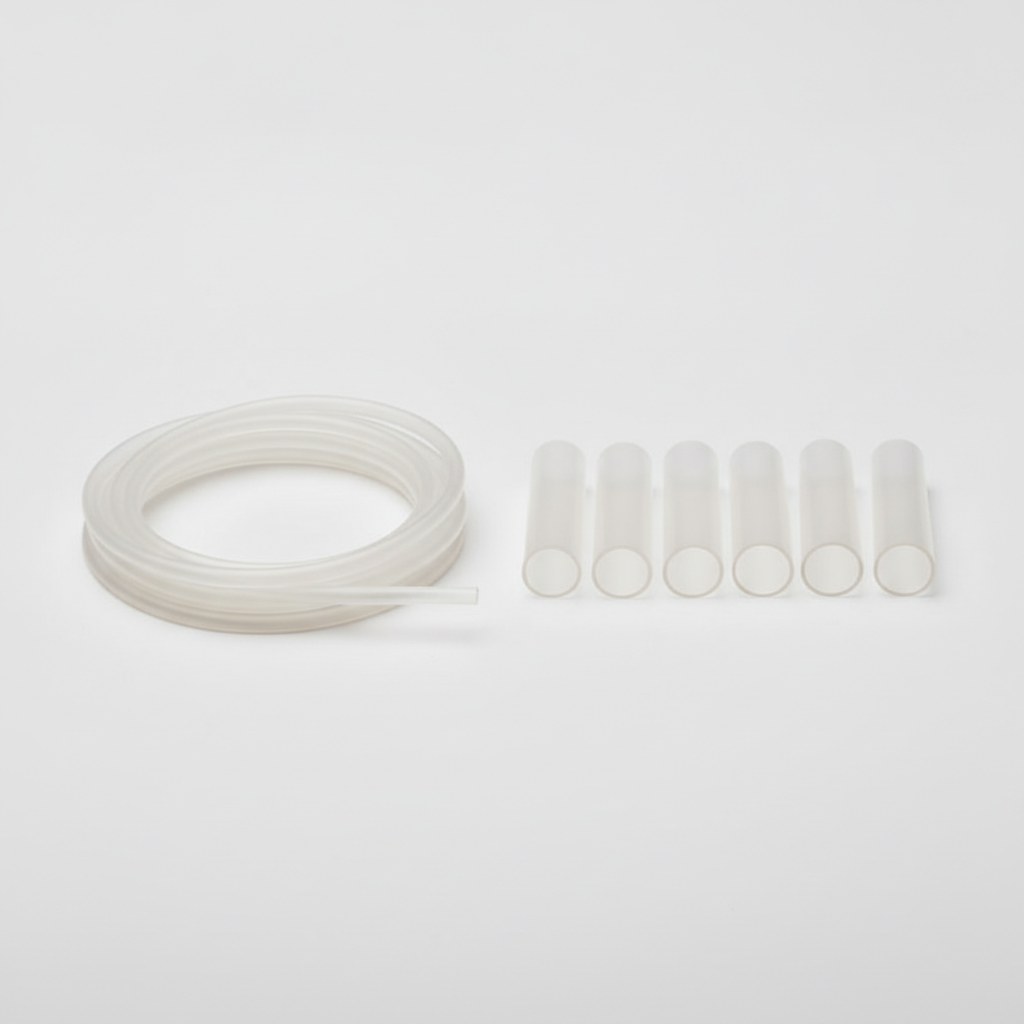
Reduced wall thickness for insulation, compact assemblies and weight-sensitive routing.
Get a Quote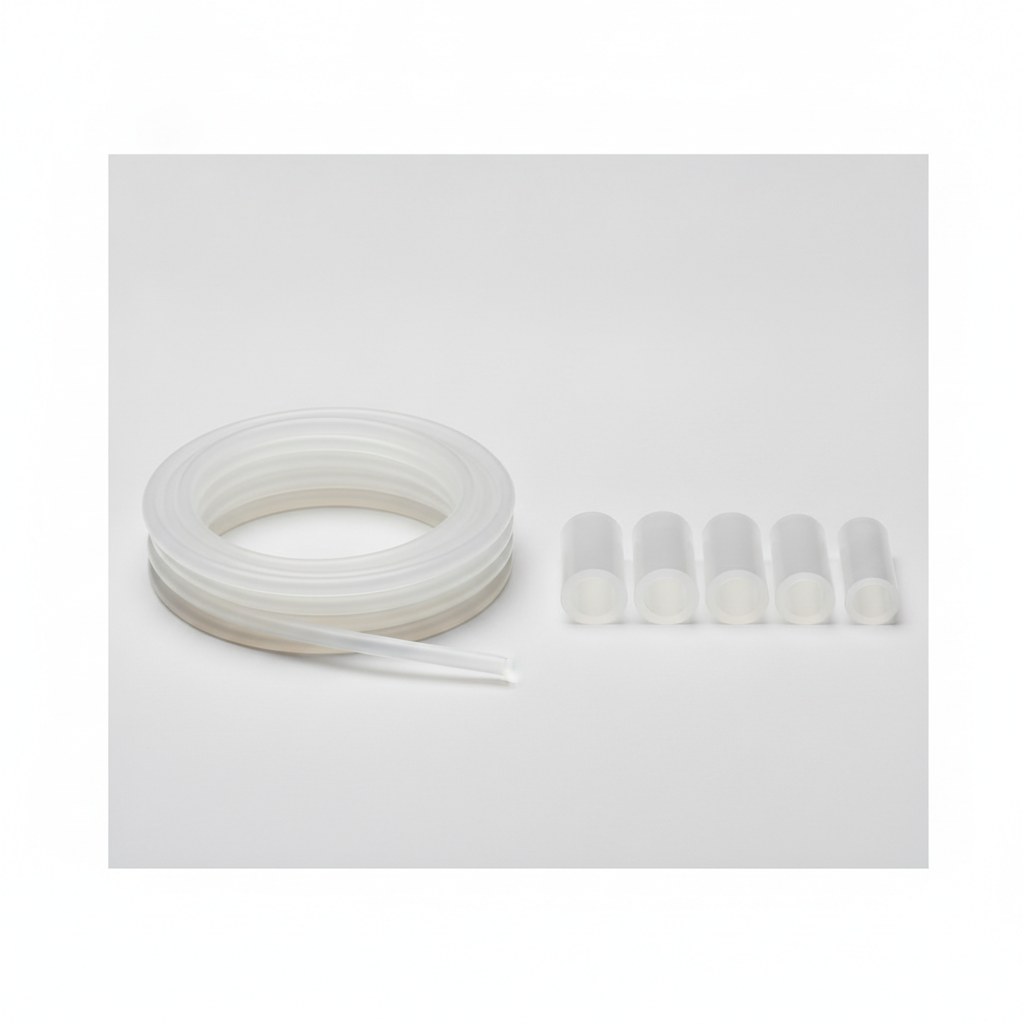
Balanced flexibility and protection for common chemical, laboratory and OEM service.
Get a Quote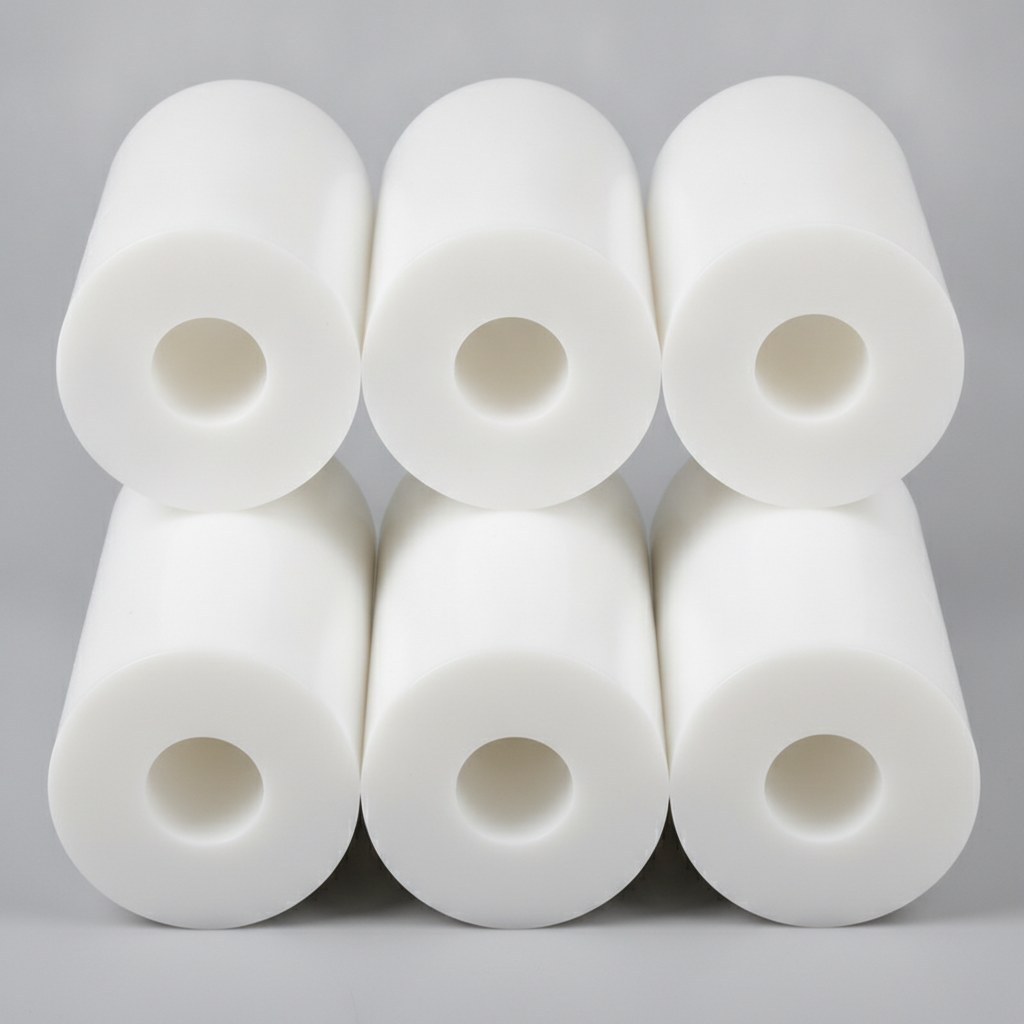
More wall section for mechanical protection and size-dependent pressure review.
Get a Quote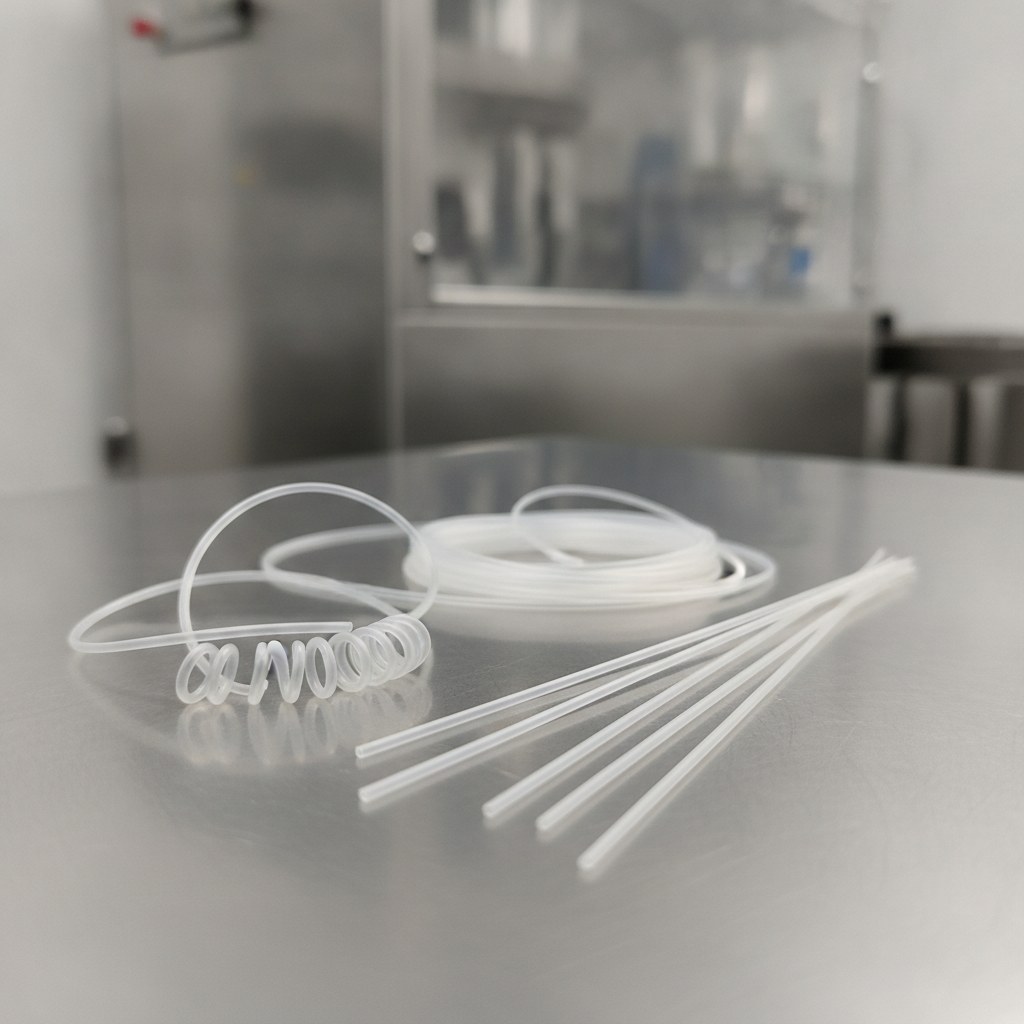
Small-bore paths for dosing, sampling and compact analytical fluid control.
Get a Quote
Micro-dimension tubing requiring focused review of bore, wall, handling and inspection.
Get a Quote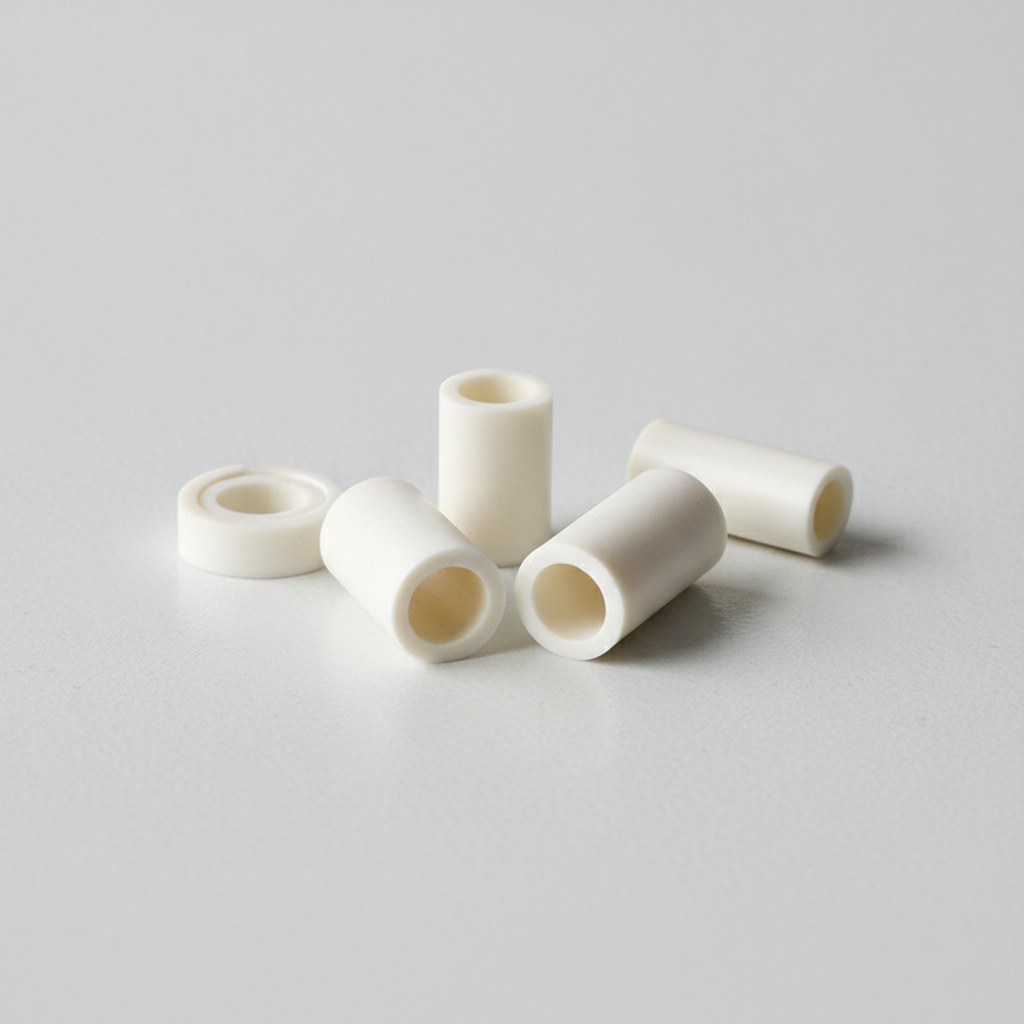
Glass-reinforced PTFE compounds for applications needing improved wear resistance, stiffness and dimensional stability.
Get a Quote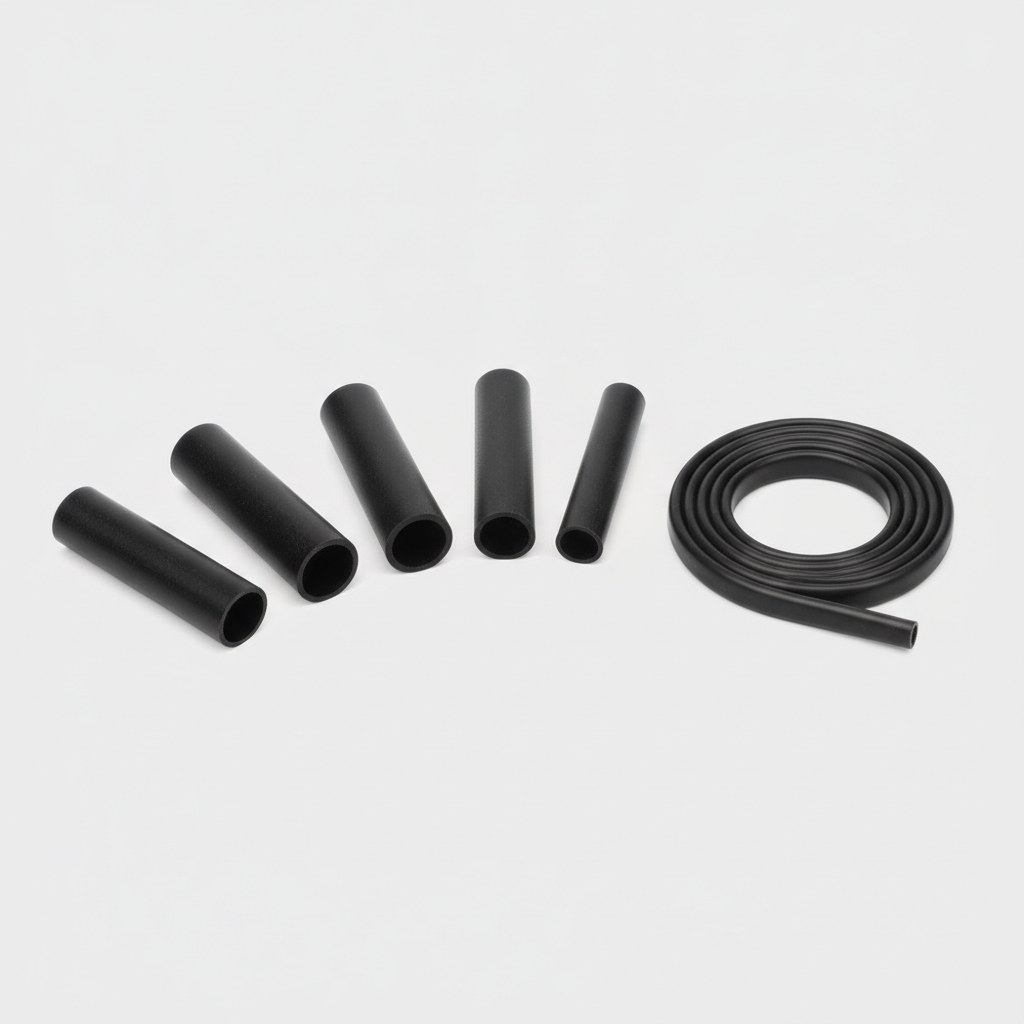
Carbon-filled formulations for selected antistatic, wear and deformation-control requirements.
Get a Quote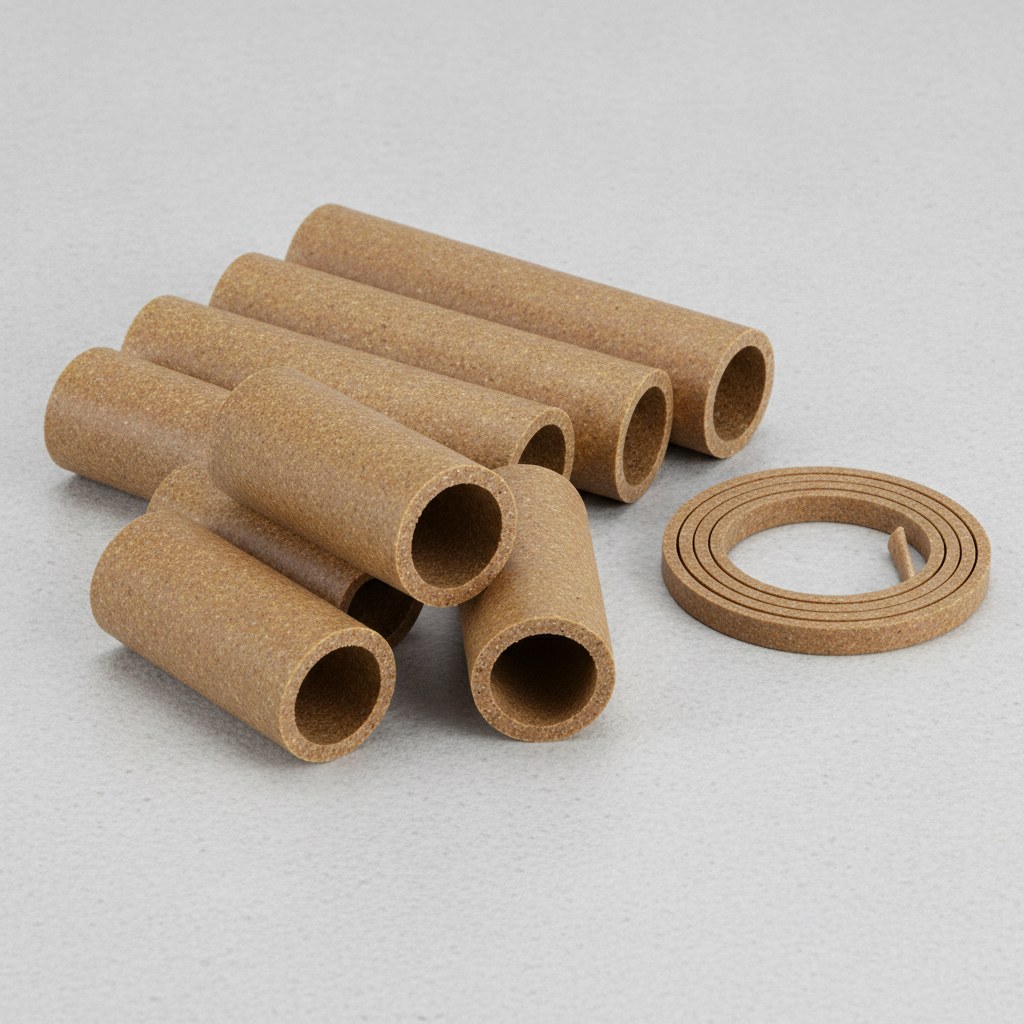
Bronze-filled PTFE compounds for selected bearing, wear and load-support applications.
Get a Quote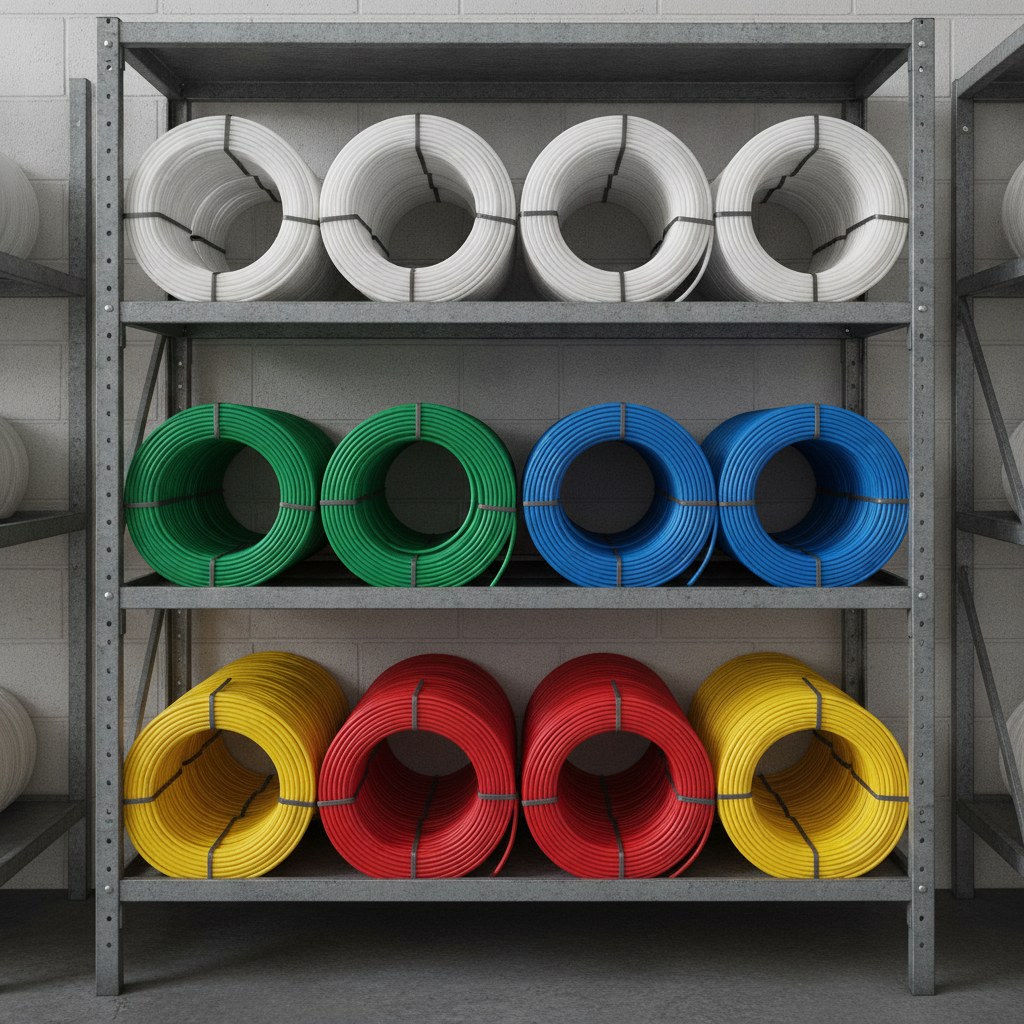
Color-coded tubing for line identification, equipment organization and branded assemblies.
Get a Quote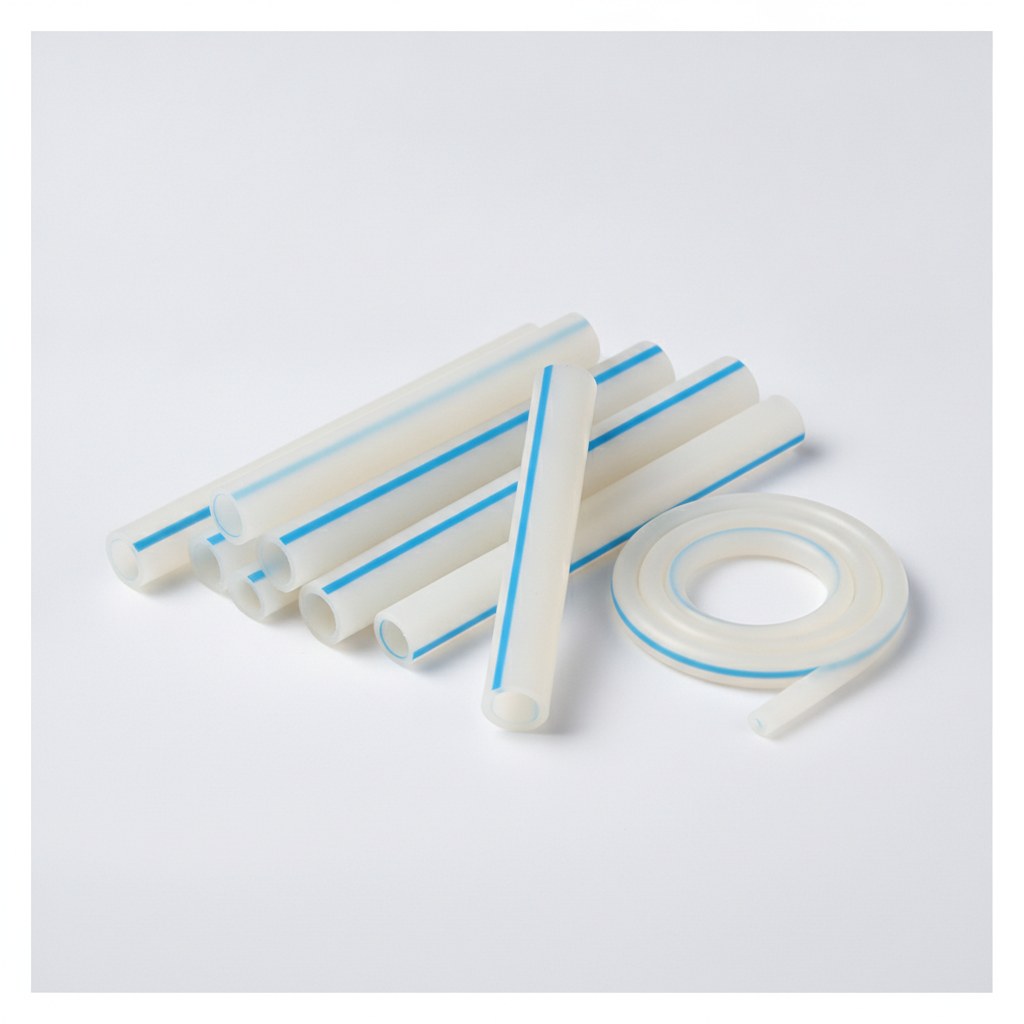
Longitudinal identification stripes help distinguish circuits, media paths and assembly variants.
Get a Quote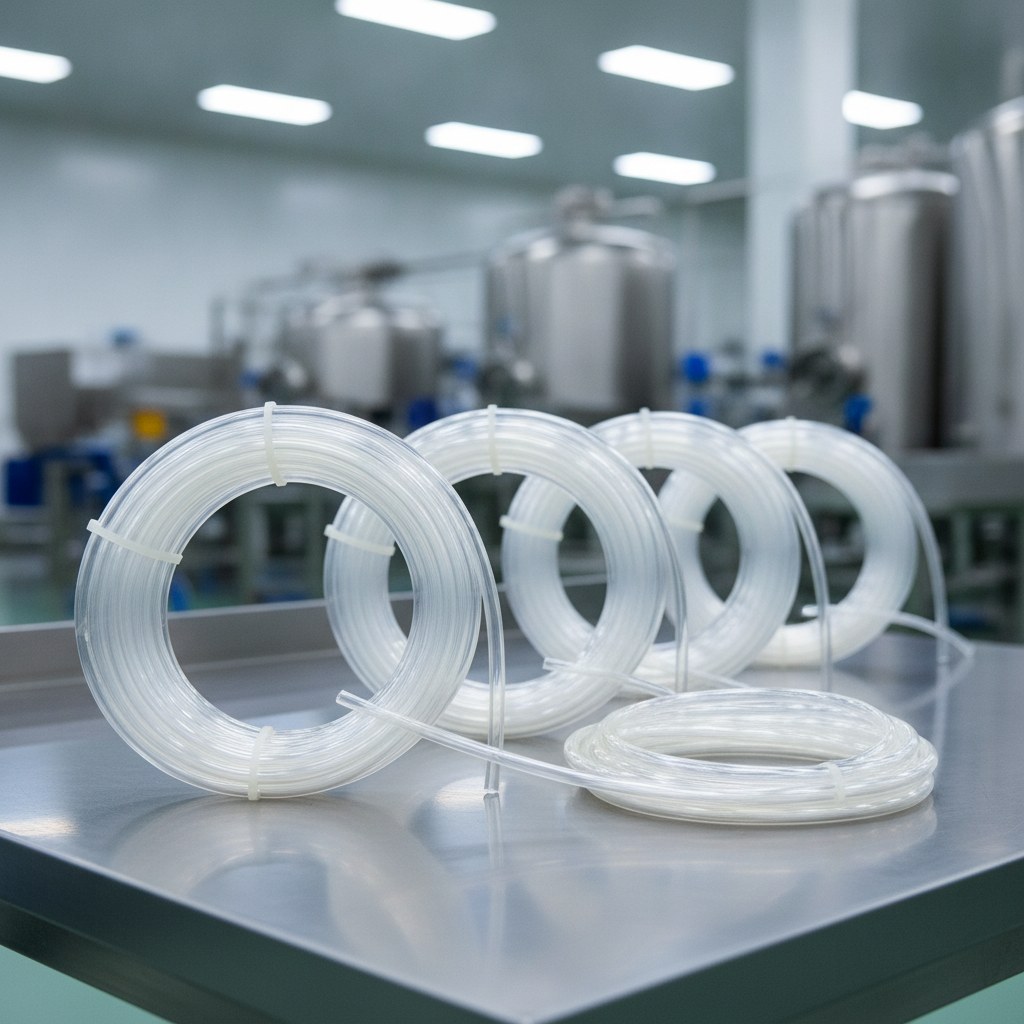
Translucent PTFE options for applications where improved visibility of the fluid path is useful.
Get a Quote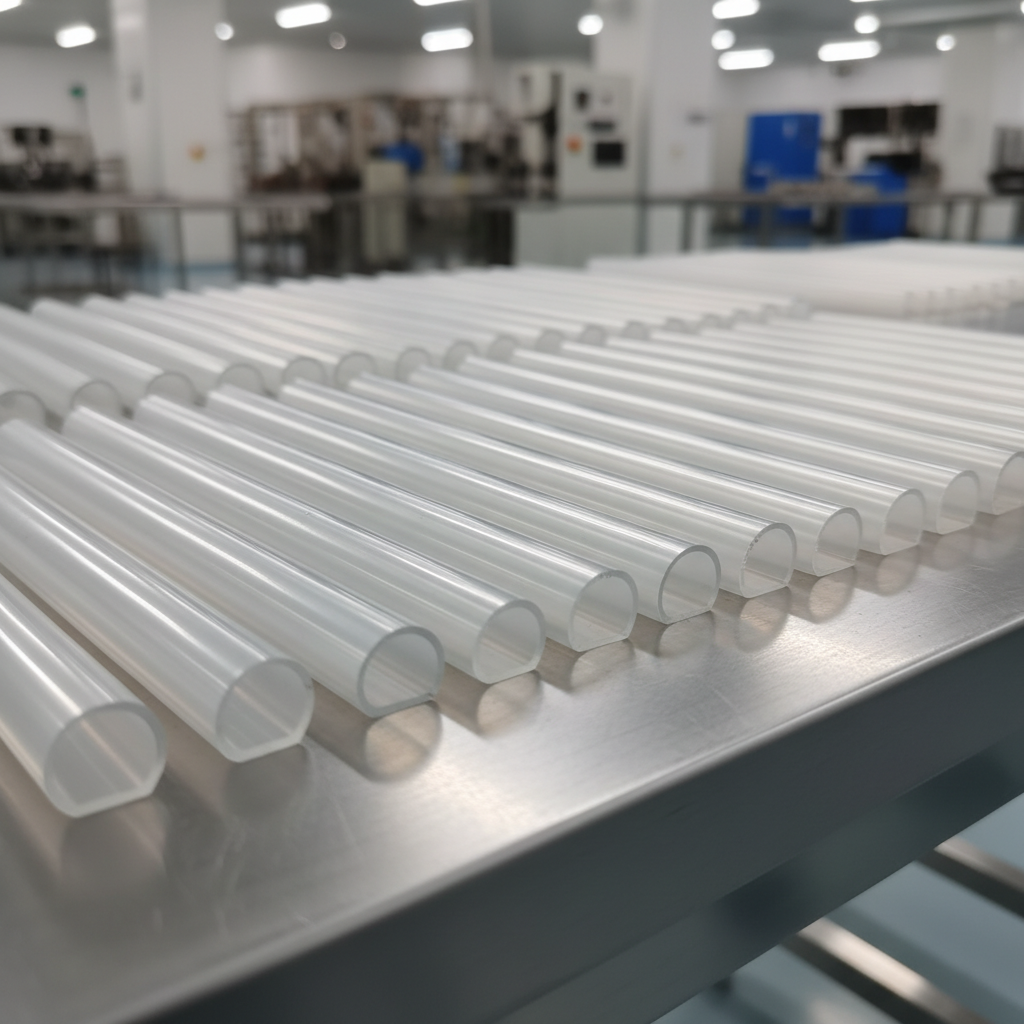
Pre-cut pieces reduce in-house trimming, improve assembly consistency and support repeatable service kits or production cells.
Get a QuoteSelection inputs
PTFE selection is more reliable when the tubing dimensions are reviewed together with operating conditions and assembly constraints.
Provide chemical name, concentration, exposure time and cleaning media.
Check compatibility guidance →PTFE has a typical maximum service temperature of 260°C, but pressure and dimensional stability require temperature derating.
Working pressure and burst guidance depend on size, wall, temperature, media and safety factor.
Confirm available routing space, minimum bend radius, wall stability and connection loads.
ID, run length, fittings, viscosity and target flow determine velocity and pressure drop.
Confirm conductor size, dielectric requirement, wall thickness and conductive or insulating grade.
Quoting reference
These dimension combinations illustrate common RFQ formats. They do not represent guaranteed stock, pressure ratings or final drawing tolerances.
Specify ID, OD and wall in millimeters for laboratory, chemical and OEM equipment.
View metric size chart →Match common inch fittings, sleeves and equipment interfaces with ID/OD combinations.
Review fractional sizes →Select thin-wall PTFE sleeving around conductors while confirming fit and dielectric requirements.
Open AWG chart →Send ID, OD, wall, tolerance, length, color, grade and inspection requirements for review.
Explore custom PTFE tubing →| ID | OD | Wall | Wall type | Size system | Available length |
|---|---|---|---|---|---|
| 0.5 mm | 1.0 mm | 0.25 mm | Heavy Wall | Metric micro | 100 / 500 / 1000 m coilsCustom coil / cut length / straight length |
| 1.0 mm | 2.0 mm | 0.50 mm | Heavy Wall | Metric | 100 / 500 / 1000 m coilsCustom coil / cut length / straight length |
| 2.0 mm | 3.0 mm | 0.50 mm | Standard Wall | Metric | 100 / 500 / 1000 m coilsCustom coil / cut length / straight length |
| 2.0 mm | 4.0 mm | 1.00 mm | Heavy Wall | Metric | 100 / 500 / 1000 m coilsCustom coil / cut length / straight length |
| 3.0 mm | 4.0 mm | 0.50 mm | Standard Wall | Metric | 100 / 500 / 1000 m coilsCustom coil / cut length / straight length |
| 4.0 mm | 6.0 mm | 1.00 mm | Standard Wall | Metric | 100 / 500 / 1000 m coilsCustom coil / cut length / straight length |
| 6.0 mm | 8.0 mm | 1.00 mm | Standard Wall | Metric | 100 / 500 / 1000 m coilsCustom coil / cut length / straight length |
| 8.0 mm | 10.0 mm | 1.00 mm | Thin Wall | Metric | 100 / 500 / 1000 m coilsCustom coil / cut length / straight length |
| 1/16 in | 1/8 in | 1/32 in | Heavy Wall | Fractional | 100 / 500 / 1000 m coilsCustom coil / cut length / straight length |
| 1/8 in | 1/4 in | 1/16 in | Heavy Wall | Fractional | 100 / 500 / 1000 m coilsCustom coil / cut length / straight length |
| 1/4 in | 3/8 in | 1/16 in | Standard Wall | Fractional | 100 / 500 / 1000 m coilsCustom coil / cut length / straight length |
| 3/8 in | 1/2 in | 1/16 in | Standard Wall | Fractional | 100 / 500 / 1000 m coilsCustom coil / cut length / straight length |
Wall type is a representative classification based on wall thickness relative to ID: up to 15% is shown as Thin Wall, over 15% through 35% as Standard Wall, and over 35% as Heavy Wall. Final ID, OD, wall, wall type, supplied length, pressure capability and availability are confirmed against the approved drawing or order specification.
Use environments
Match tubing dimensions, material grade, cleanliness, routing and documentation to the actual equipment and operating environment.
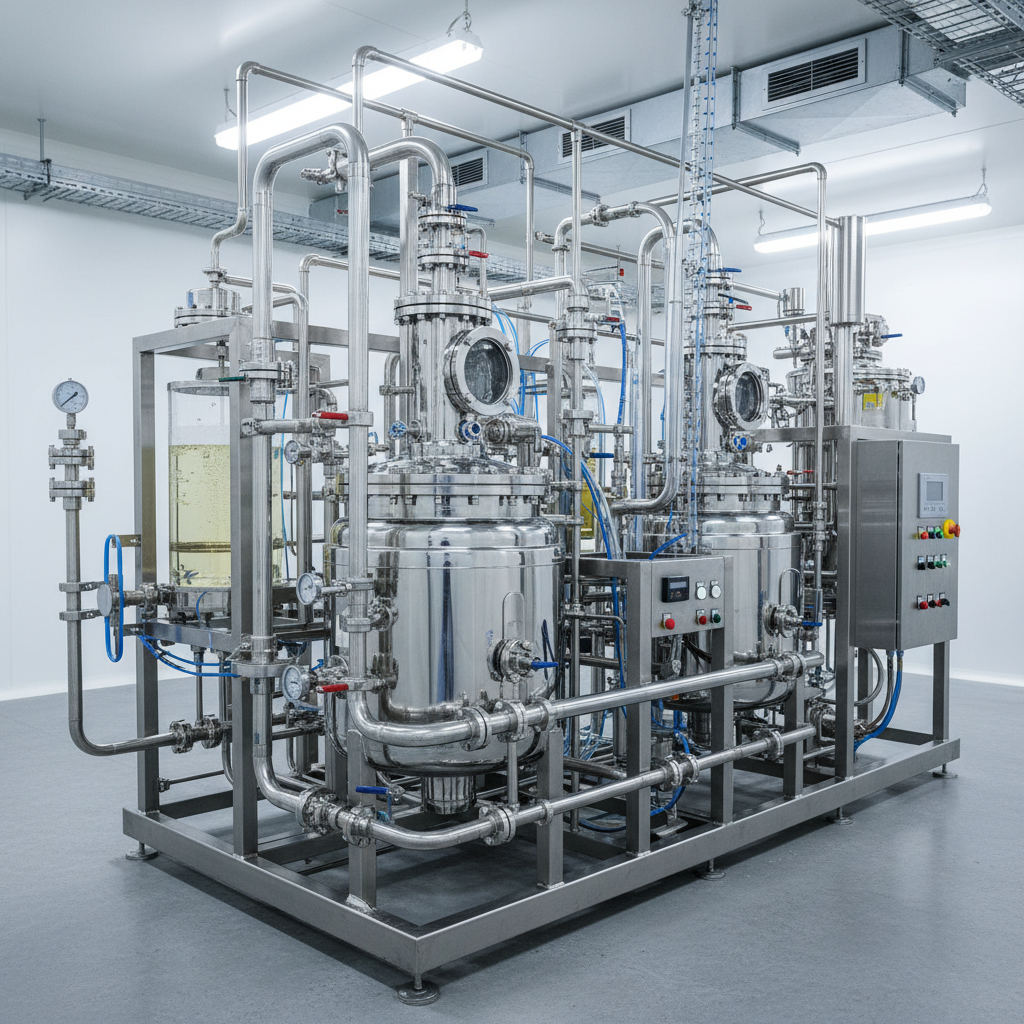
Corrosive media transfer, dosing and sampling with compatibility and pressure confirmation.
Discuss Your Project
Sample paths, reagent lines and analytical equipment requiring small bore and controlled cut lengths.
Discuss Your Project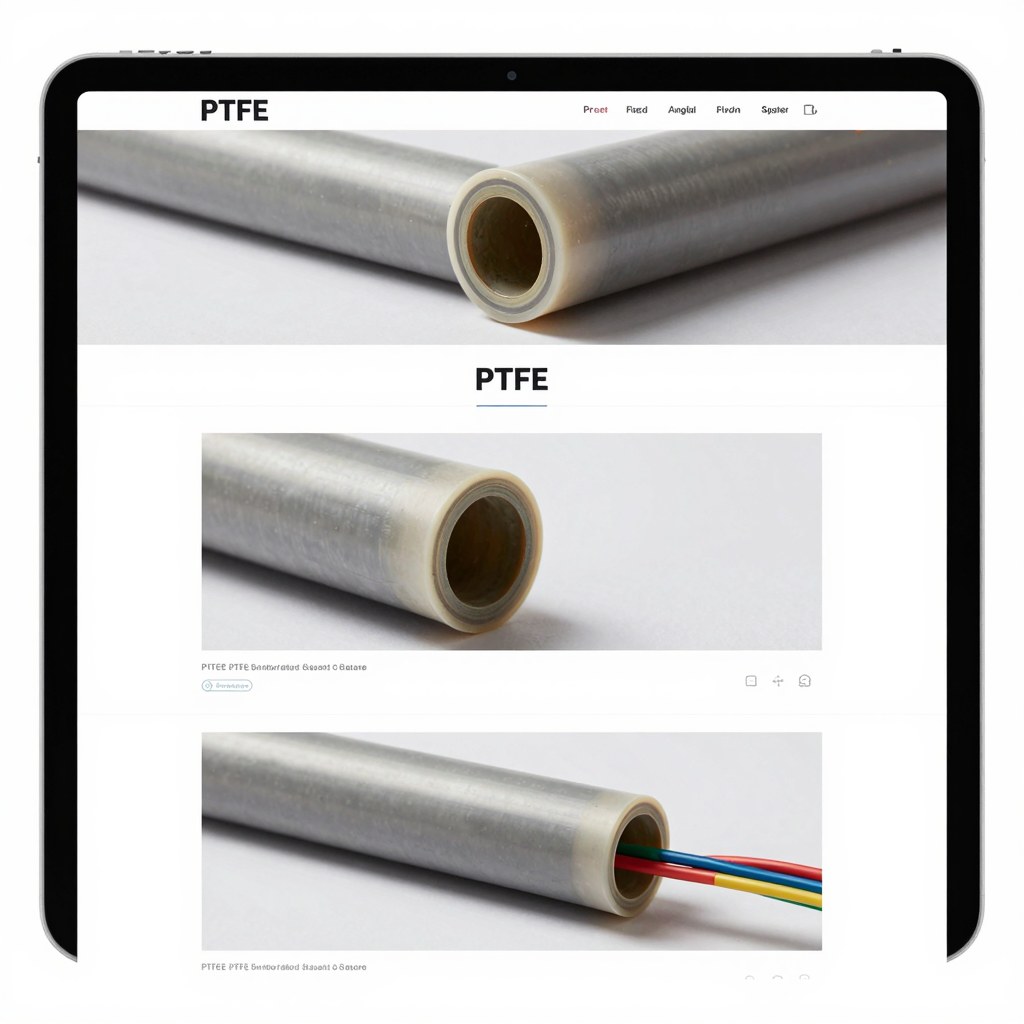
Wire, sensor and lead protection requiring conductor fit, dielectric performance and temperature review.
Discuss Your Project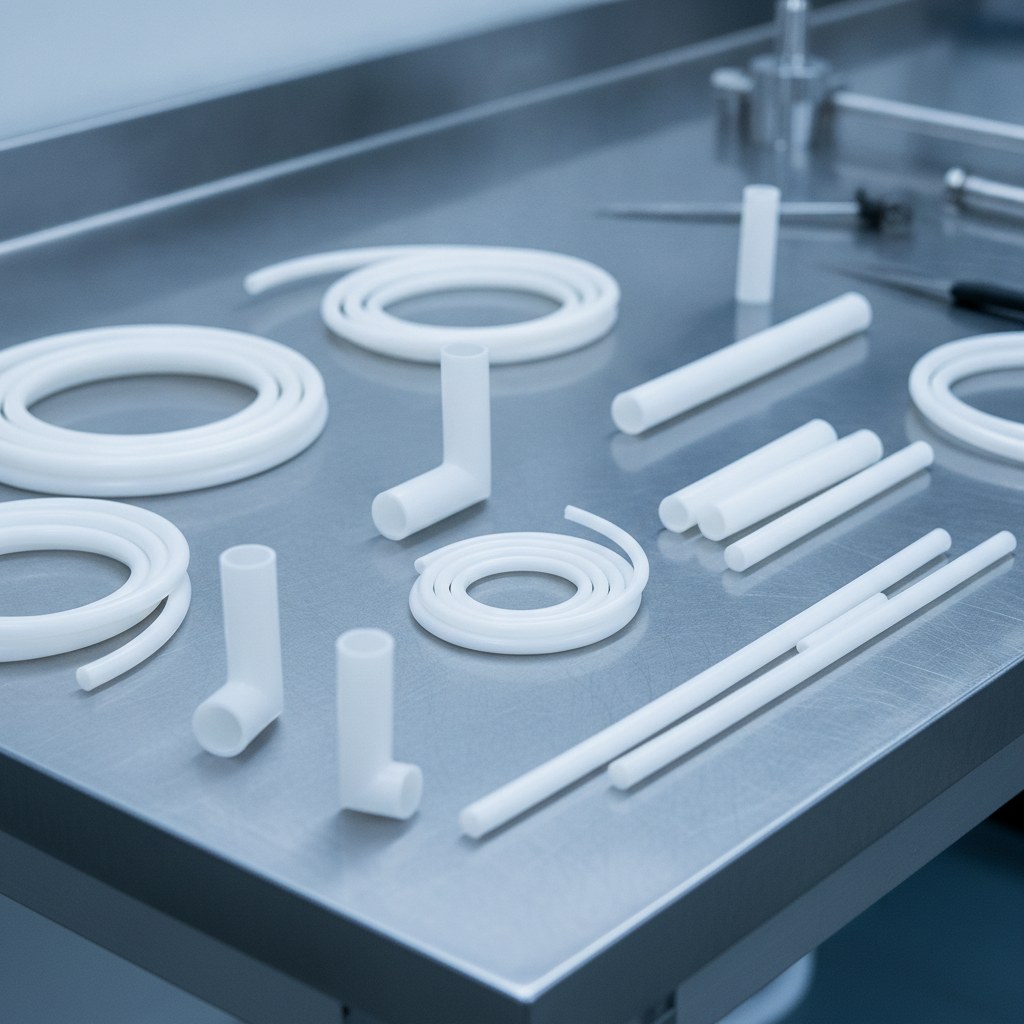
Drawing-controlled coils, cut pieces and service kits for repeatable assembly and replenishment.
Discuss Your Project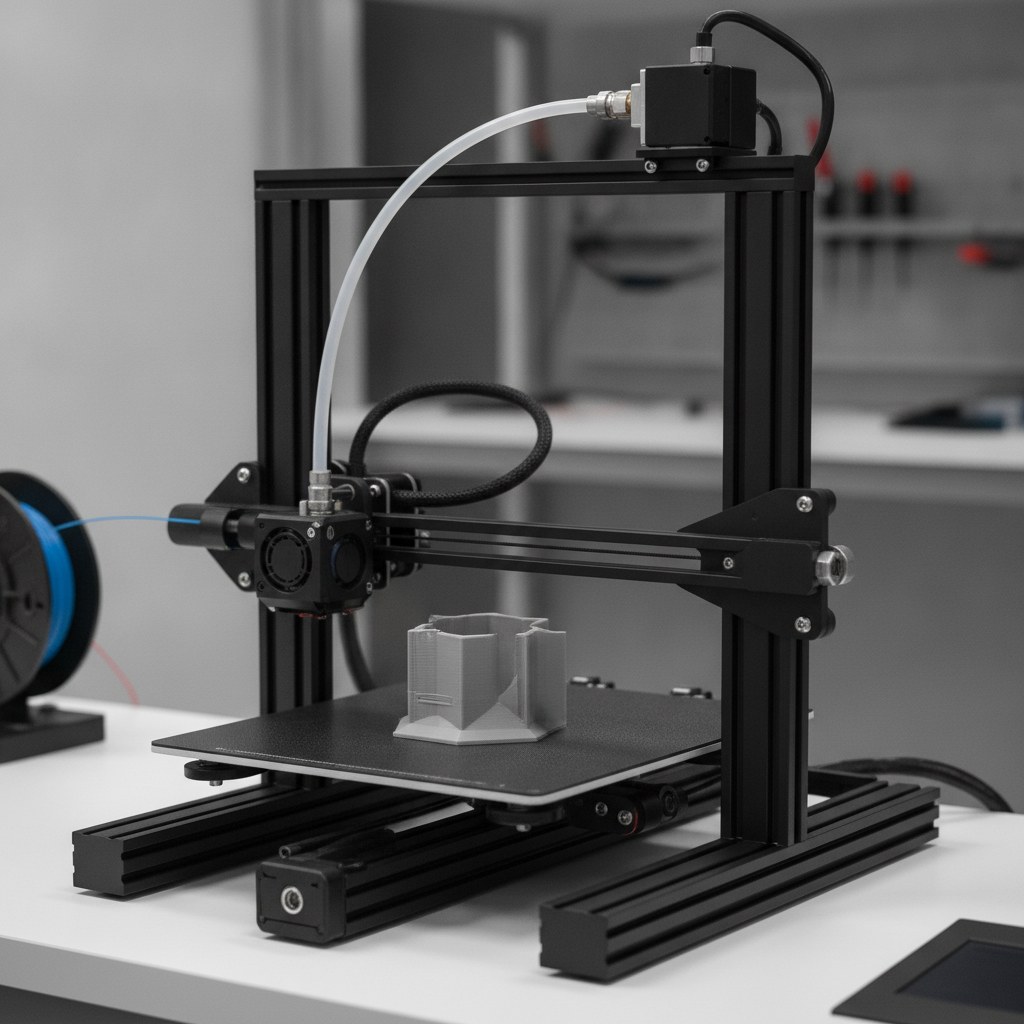
Low-friction PTFE guide tubes support controlled filament routing in compatible Bowden-style FDM printer assemblies.
Discuss Your Project
Controlled fluid paths and protective sleeves reviewed against cleanliness, biocompatibility and documentation needs.
Discuss Your Project
High-purity chemical and process-fluid routes requiring controlled materials, cleanliness and traceability.
Discuss Your Project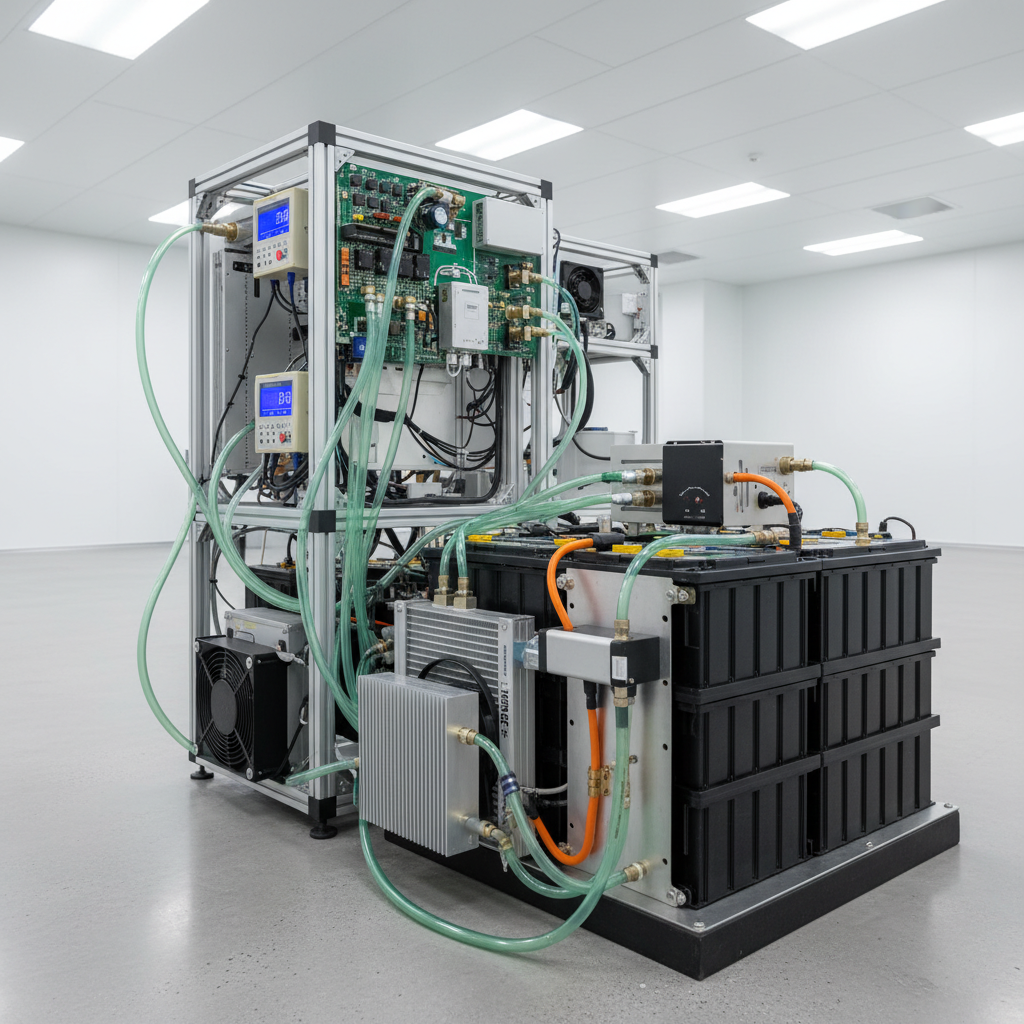
Heat-resistant insulation, sensor protection and chemical routing for vehicle and battery subsystems.
Discuss Your ProjectSpecification control
Define the resin, identification, surface, supplied length and packaging together so the sample represents production intent.
Supplier evidence
Manufacturing scale is supported by process and inspection planning. Actual reports and certificates are issued only when included in the approved order scope.
Extrusion capacity for standard and custom tubing, supported by OEM/ODM review.
Reference production capacity, with annual capacity listed as 6,000,000 meters.
Burst tester, pressure tester, laser tester, tensile tester and bending tester.
Pressure testing, dimensional inspection and material verification as applicable to the order.
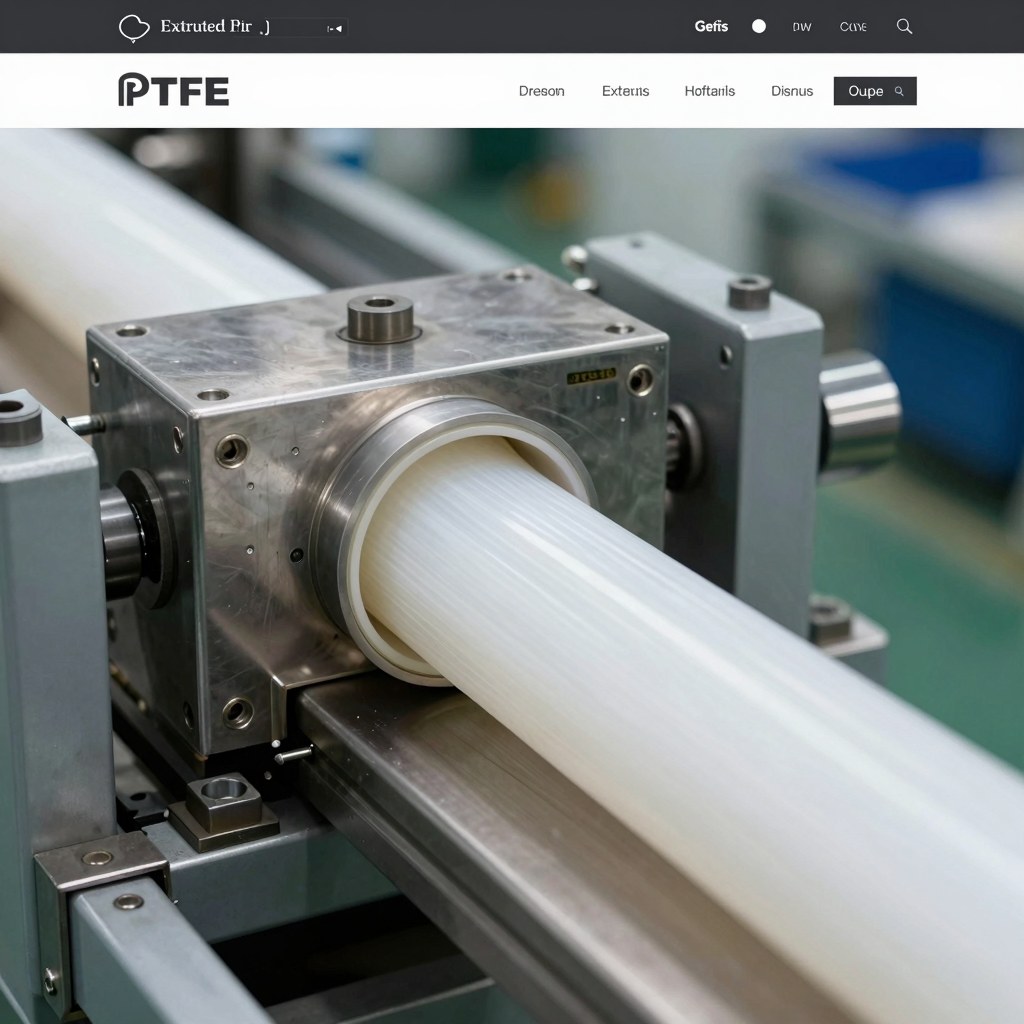
Resin, tooling and process settings are aligned to the approved size and grade.
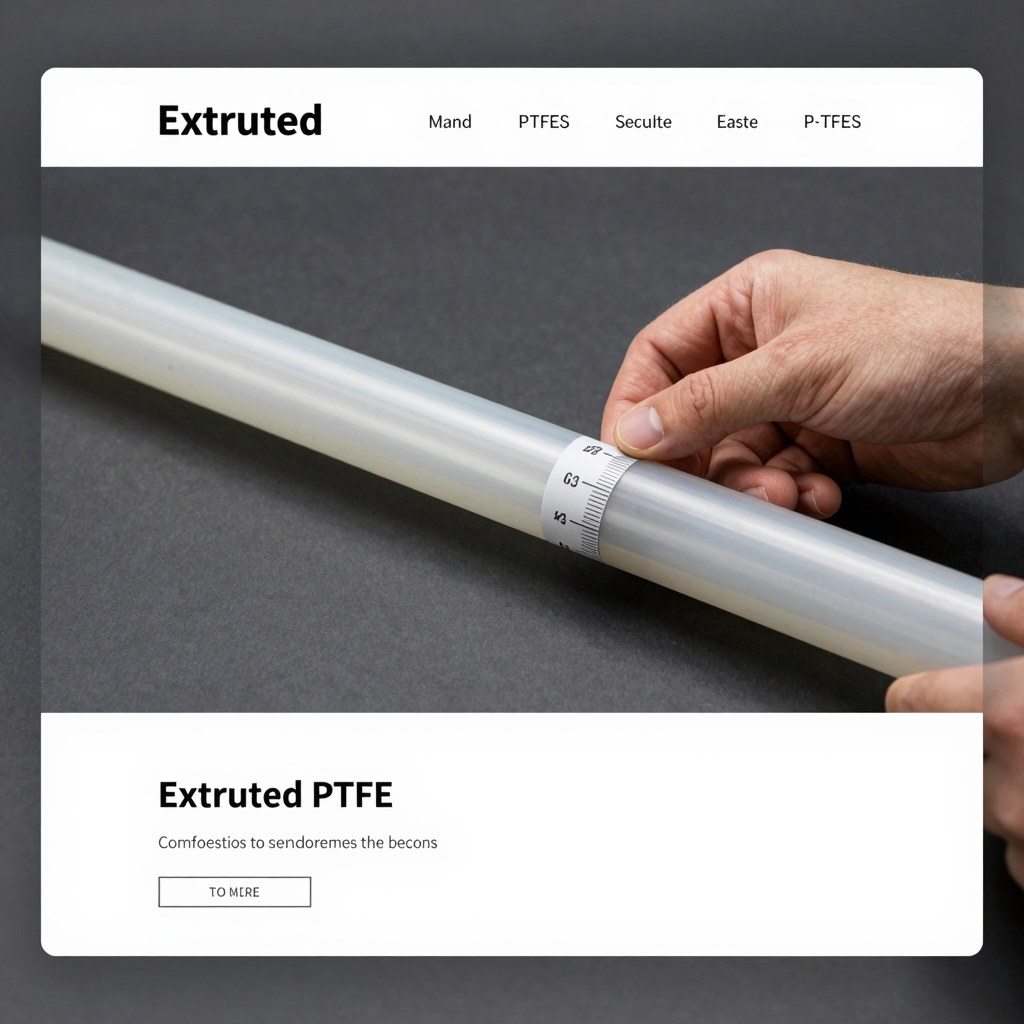
ID, OD, wall and length checks are defined by the drawing and inspection plan.

Datasheet, technical drawing, COA and batch traceability can be confirmed with the quotation. Illustrations are not customer inspection reports.
Material shortlist
Use this comparison to narrow the material family, then verify the actual grade, dimensions and operating conditions.
| Material | Typical temperature reference | Primary difference | Often selected for |
|---|---|---|---|
| PTFE | Up to 260°C | Nearly inert, very low friction, naturally opaque | Chemical transfer, insulation, analytical and OEM systems |
| FEP | About 200–204°C | More transparent and melt-processable | Visual fluid paths, monitoring and wire harnesses |
| PFA | Up to 260°C | High-purity melt processing and low extractables options | Semiconductor, pharmaceutical and critical fluid transfer |
| ETFE | About 148–150°C | Higher strength, impact and crush resistance | Wire harnesses, mechanical protection and chemical equipment |
| PVDF | Up to about 150°C | Higher rigidity, low permeability and UV resistance | Outdoor, chemical and general fluid-handling systems |
Raw material control
Resin selection is controlled by the approved tubing grade, application requirement and documentation scope—not by an unverified brand claim.
We purchase PTFE resin or compounds through qualified material channels and match the source to the required virgin, modified, filled, conductive, pigmented or application-specific grade.
The actual manufacturer, grade and supporting records are confirmed for the quoted order when brand-controlled sourcing or compliance documentation is required.
The resin or compound is selected against the approved drawing, operating media, temperature and performance requirement.
Material identity, grade, lot and available supplier documents are reviewed before the extrusion batch is released.
Where required, the raw-material lot is connected to the extrusion batch, inspection record, packing label and shipment documents.
Datasheets, COA, compliance statements or named-resin requirements are supplied only when confirmed in the quotation and purchase specification.
Need a named resin manufacturer? Add the approved brand and grade to the RFQ. We will confirm availability, documentation and whether substitution is permitted before sampling.
Buyer questions
Final capability depends on the approved grade, dimensions, operating conditions and order documentation.
Yes. Free samples are available, typically 5–10 m per model, with a typical sample lead time of 1–3 days after the size and application are confirmed.
The standard minimum order quantity is 100 m. The final MOQ can depend on the diameter, tolerance, material grade, color and secondary processing.
Yes. OEM and ODM projects can be reviewed from an ID, OD, wall thickness, tolerance, length specification, drawing or reference sample.
Pressure capability is not a single material value. It must be confirmed from ID, OD, wall thickness, temperature, media, resin grade and the required safety factor.
A typical manufacturing capability is ±0.05 mm, but the final tolerance depends on the diameter, wall thickness, length format and inspection method.
Virgin, modified or filled PTFE, natural or pigmented colors and application-specific formulations can be reviewed depending on the performance and documentation requirement.
Documentation is confirmed depending on resin grade, tubing size and order requirements. These classifications should not be assumed for every PTFE tubing configuration.
Cut-to-length supply, surface treatment, marking or printing and customized packaging can be reviewed with the drawing, quantity and receiving requirements.
Typical production lead time is 7–15 days, depending on order quantity, tooling, resin, inspection and secondary-processing requirements.
Engineering library
Use the detailed pages for tables and calculations that would make this category page too dense.
From requirement to sample
Share the drawing or the six core RFQ fields. We will review manufacturability, sample format, inspection points and the production quotation.
Typical sample lead time: 1–3 days after confirmation.
Typical production lead time: 7–15 days depending on the order.