Standard
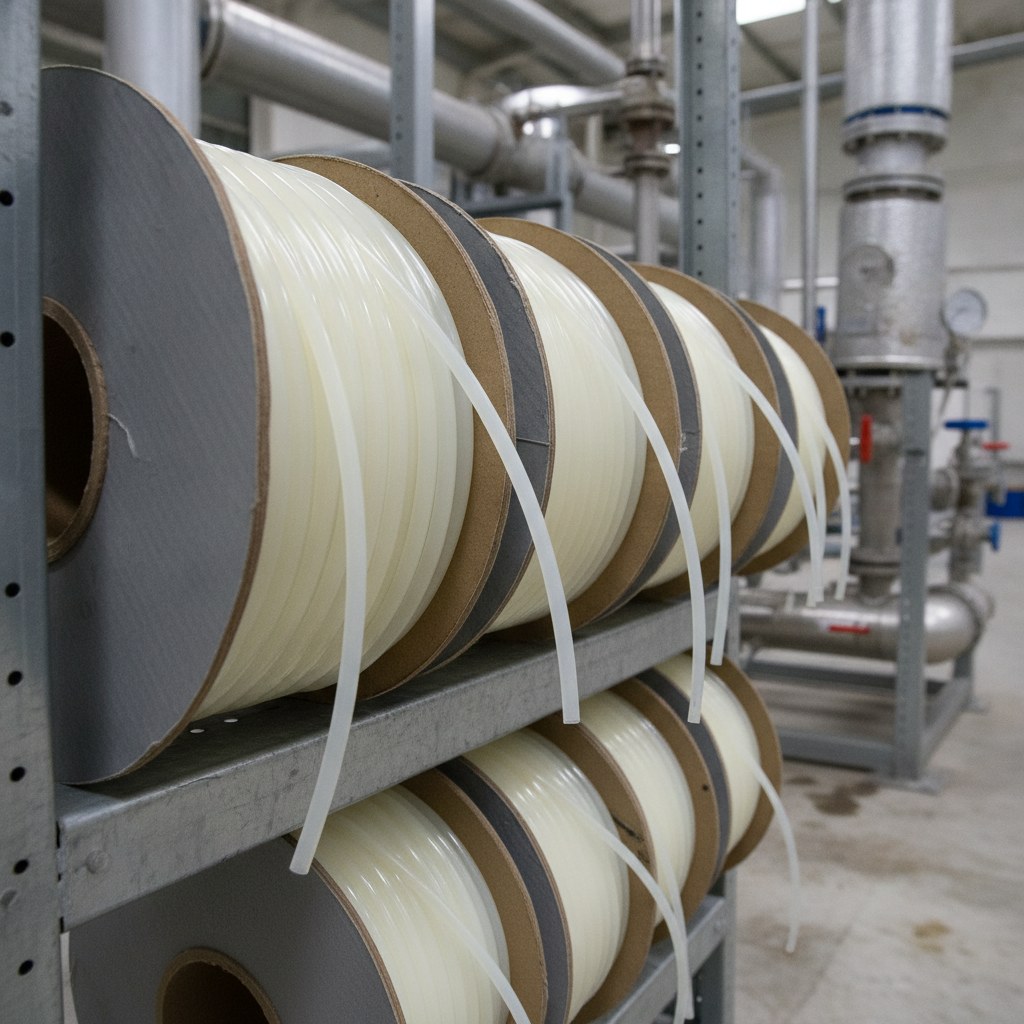
Standard High Temperature PTFE Tubing
General PTFE tubing for heat-exposed fluid, gas, and equipment routing paths.
Get a Quote
Heat-Exposed Fluoropolymer Tubing
Source PTFE tubing, thin wall sleeving, capillary tube, and cut sleeves for hot equipment paths where chemical resistance, insulation, and thermal exposure must be evaluated together.

Specification Snapshot
Use these fields to align high temperature PTFE tubing dimensions, heat exposure, media compatibility, packaging, and documentation.
| Material | PTFE or project-specified fluoropolymer compound for heat-exposed paths |
|---|---|
| Size Range | Capillary tube, standard tubing, thin wall sleeving, and custom dimensions |
| Wall | Thin wall, standard wall, heavy wall, and custom wall thickness |
| Length | Coils, straight lengths, cut-to-length sleeves, and OEM packing |
| Temperature | Working temperature, peak temperature, exposure time, and thermal cycling |
| Documentation | Dimension report, material file, batch label, COA, RoHS / REACH on request |

Product Options
Choose the tubing format that fits the routing space, temperature condition, flow path, and assembly method.
General PTFE tubing for heat-exposed fluid, gas, and equipment routing paths.
Get a Quote
Lightweight sleeves for insulation, thermal separation, and compact equipment protection.
Get a Quote
Small ID tubing for heated instrument paths, sampling routes, and low-flow systems.
Get a Quote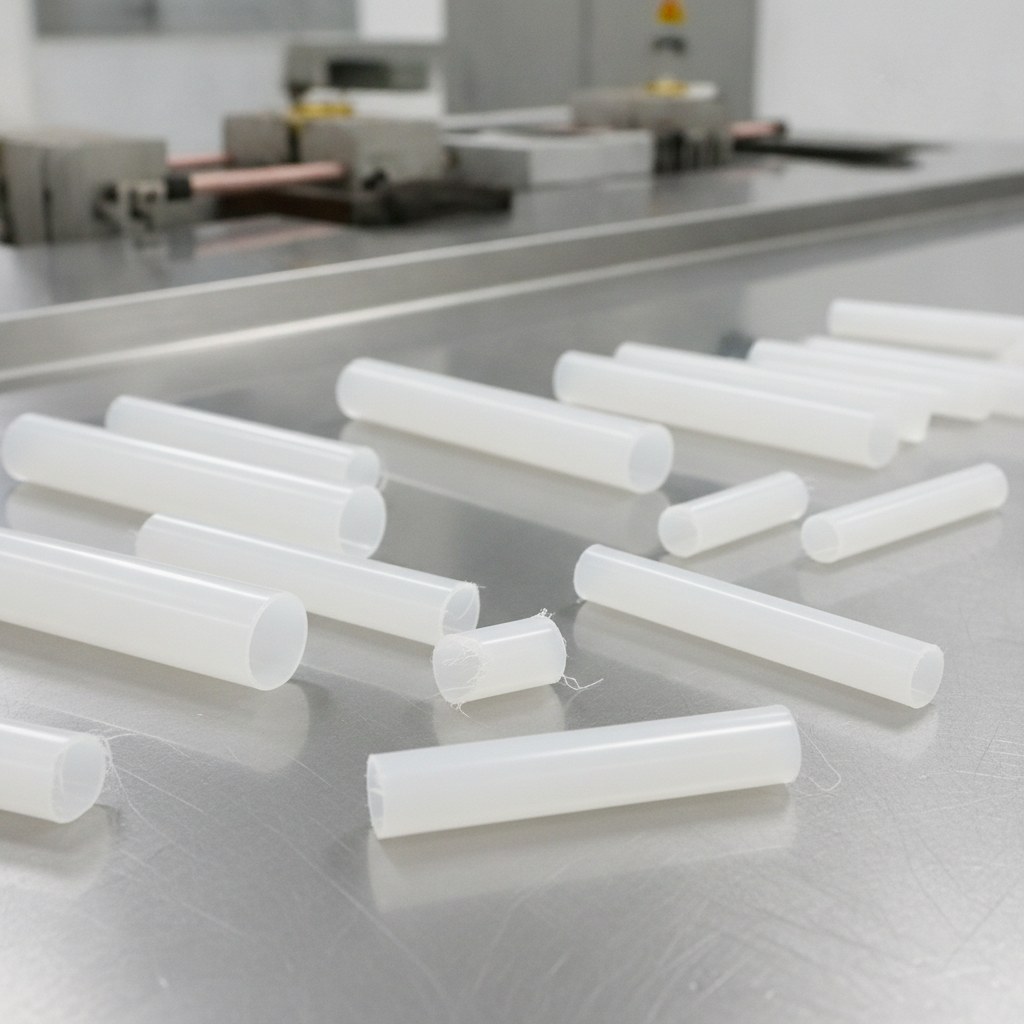
Pre-cut sleeves for assembly stations, maintenance kits, insulation, and thermal protection.
Get a QuoteApplication Fit
High temperature PTFE tubing is specified when chemical compatibility, heat exposure, insulation, and clean routing need to work together.

Use PTFE tubing around heated equipment paths where chemical and thermal exposure must be reviewed.
Discuss Your Project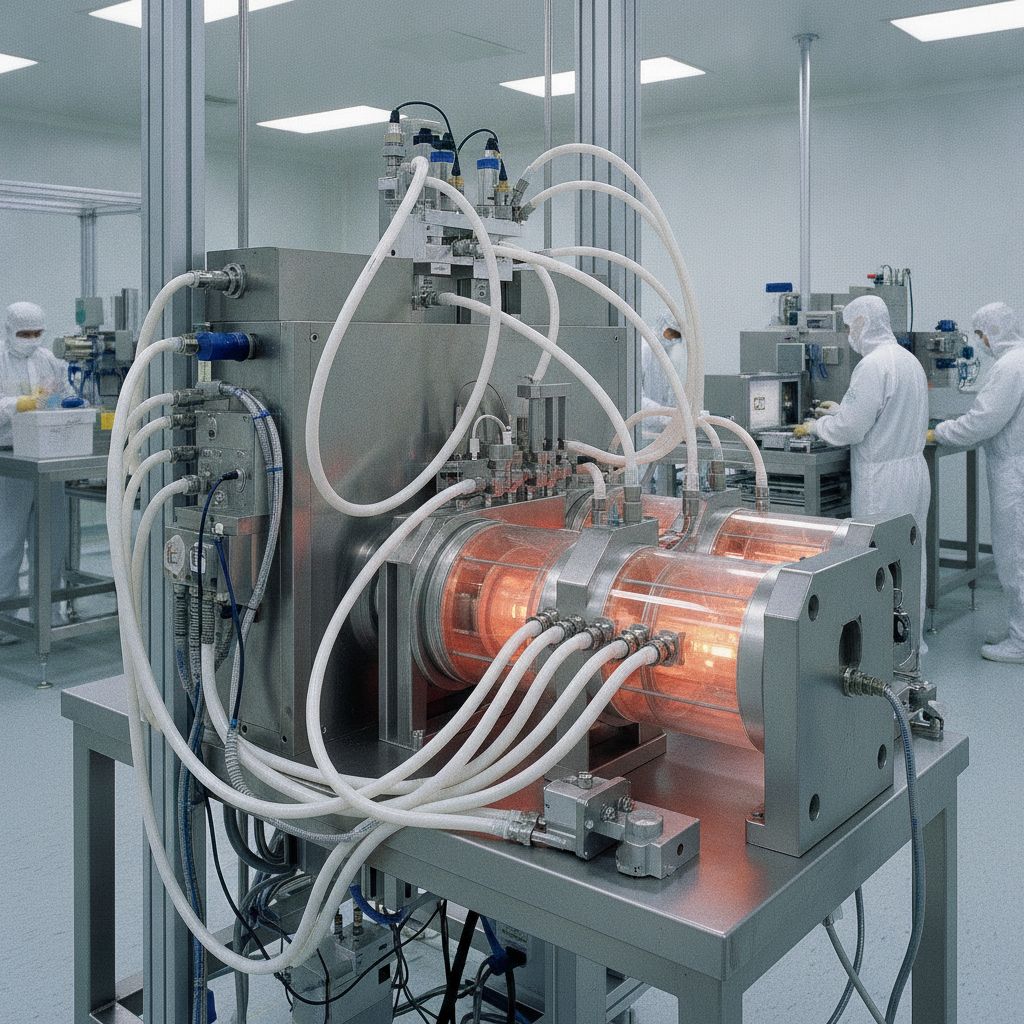
Support heated chemical or gas routing in process tools where material cleanliness matters.
Discuss Your Project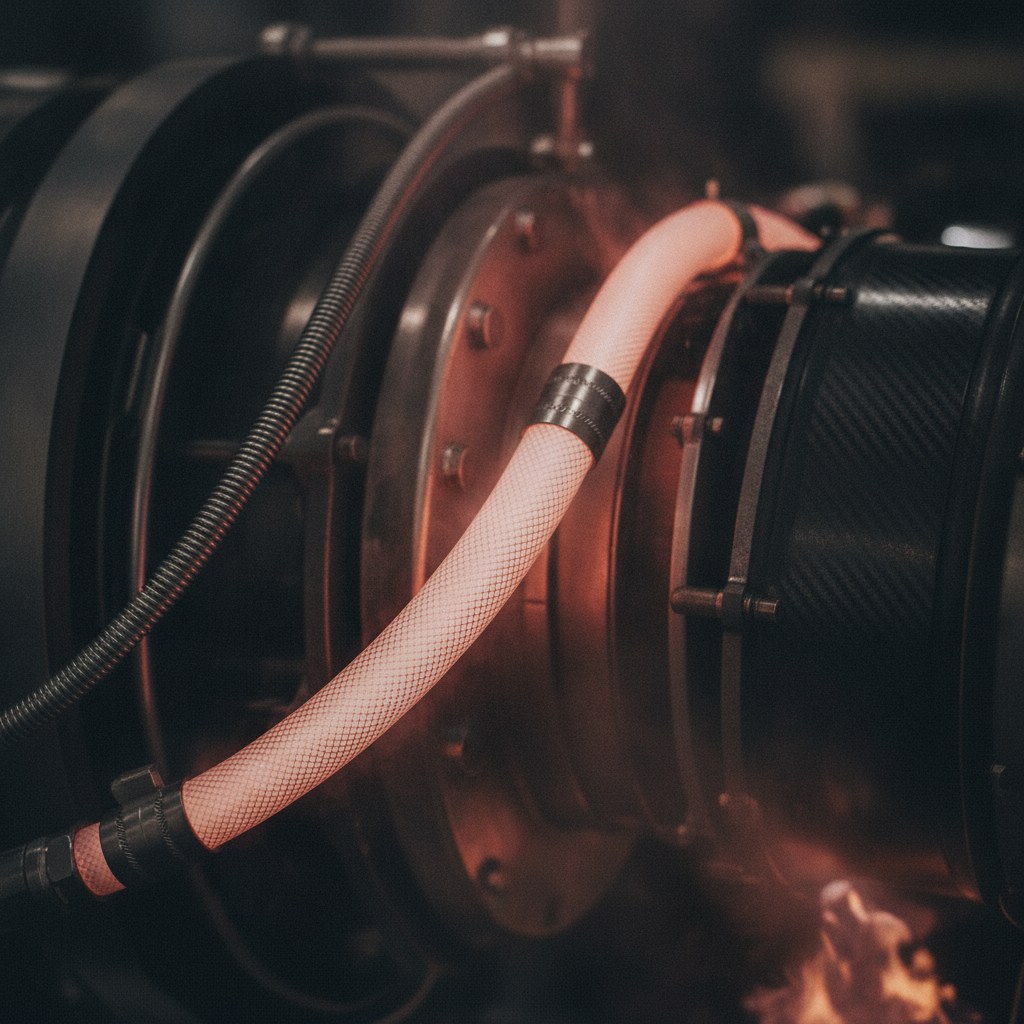
Specify PTFE tubing or sleeves around heat-exposed assemblies, wires, and fluid paths.
Discuss Your Project
Use thin wall or cut sleeves for thermal separation, insulation, and component protection.
Discuss Your ProjectManufacturing & QC
Each RFQ can define the working temperature, peak temperature, media, dimensions, tolerance, inspection method, and packaging requirements.

Confirm tubing size, wall, tolerance, thermal exposure, and media before production.

Control dimensions, appearance, surface finish, and project-specific heat exposure checks.
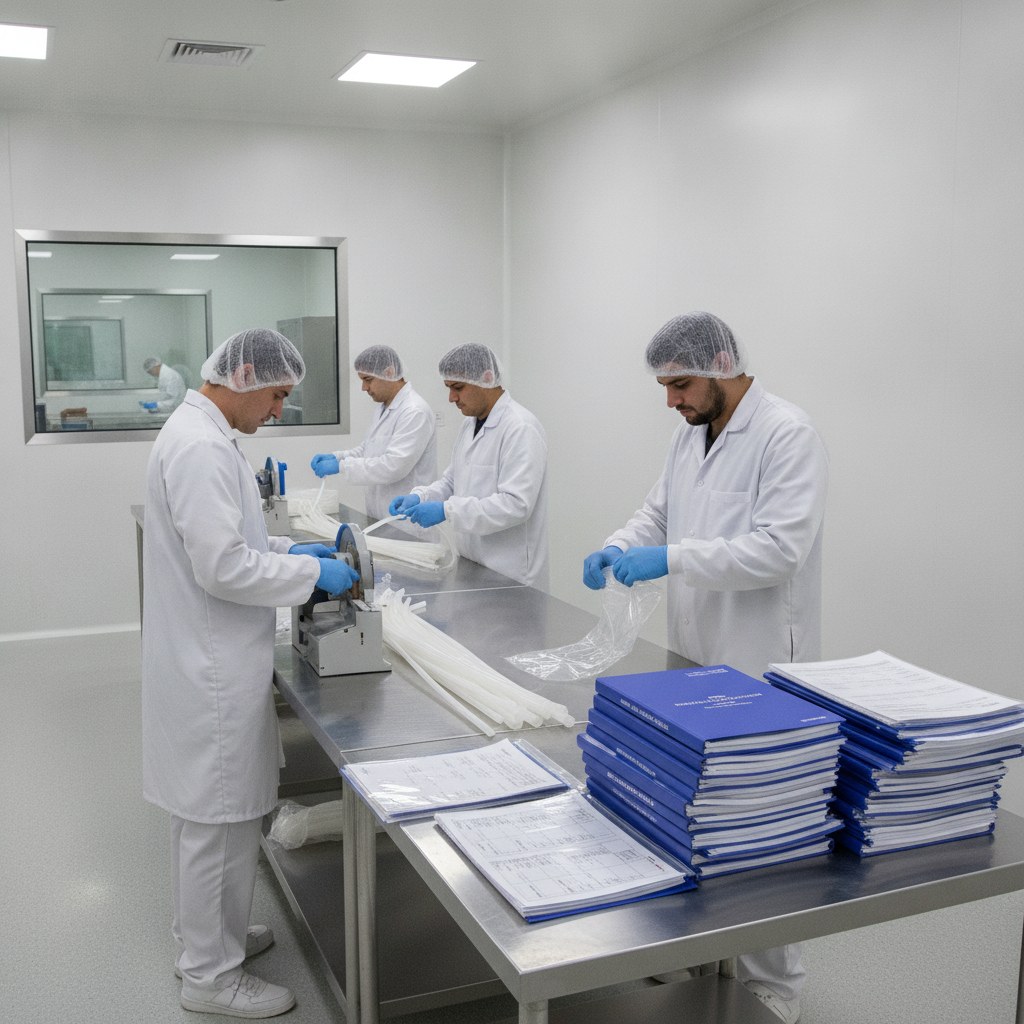
Support coil labels, cut-part counting, clean packaging, batch traceability, and document requests.
Selection Guide
Send these details with your RFQ so engineering can confirm material route, tooling, tolerance, and inspection requirements.
Share working temperature, peak temperature, exposure time, and thermal cycling conditions.
List chemical media, gas, liquid, pressure, cleaning exposure, and surrounding environment.
List ID, OD, wall thickness, tolerance, coil length, cut length, or drawing requirements.
Ask for sample lengths, material files, batch records, and packaging requirements.
FAQ
Share both working temperature and peak temperature, plus exposure time and thermal cycling. These details help confirm the right wall thickness, size tolerance, and sample plan.
Yes. Thin wall sleeving can be supplied for insulation, thermal separation, cable protection, and compact equipment assemblies.
Working temperature is the expected continuous condition. Peak temperature is a short exposure that may require separate review with media, pressure, and mechanical load.
Sample lengths can be prepared for project checks. Provide target size, wall thickness, media, temperature, and test condition with the request.
Send material grade, ID / OD, wall thickness, length, application, chemical media, working temperature, pressure, quantity, certifications, and any drawing or sample reference.
RFQ Support
Send your drawing, temperature condition, tubing size, chemical media, and quantity. We can help confirm the PTFE tube route, sample plan, and quote details.
Include as many details as possible so engineering can confirm feasibility and lead time.