
Standard
Standard Chemical Resistant Tubing
General PTFE tubing for corrosive fluid, solvent, gas, and equipment routing paths.
Get a Quote
Chemical Resistant Fluoropolymer Tubing
Source PTFE tubing, thin wall sleeving, capillary tube, and cut sleeves for acids, solvents, wet process tools, analytical systems, and corrosion-sensitive equipment paths.
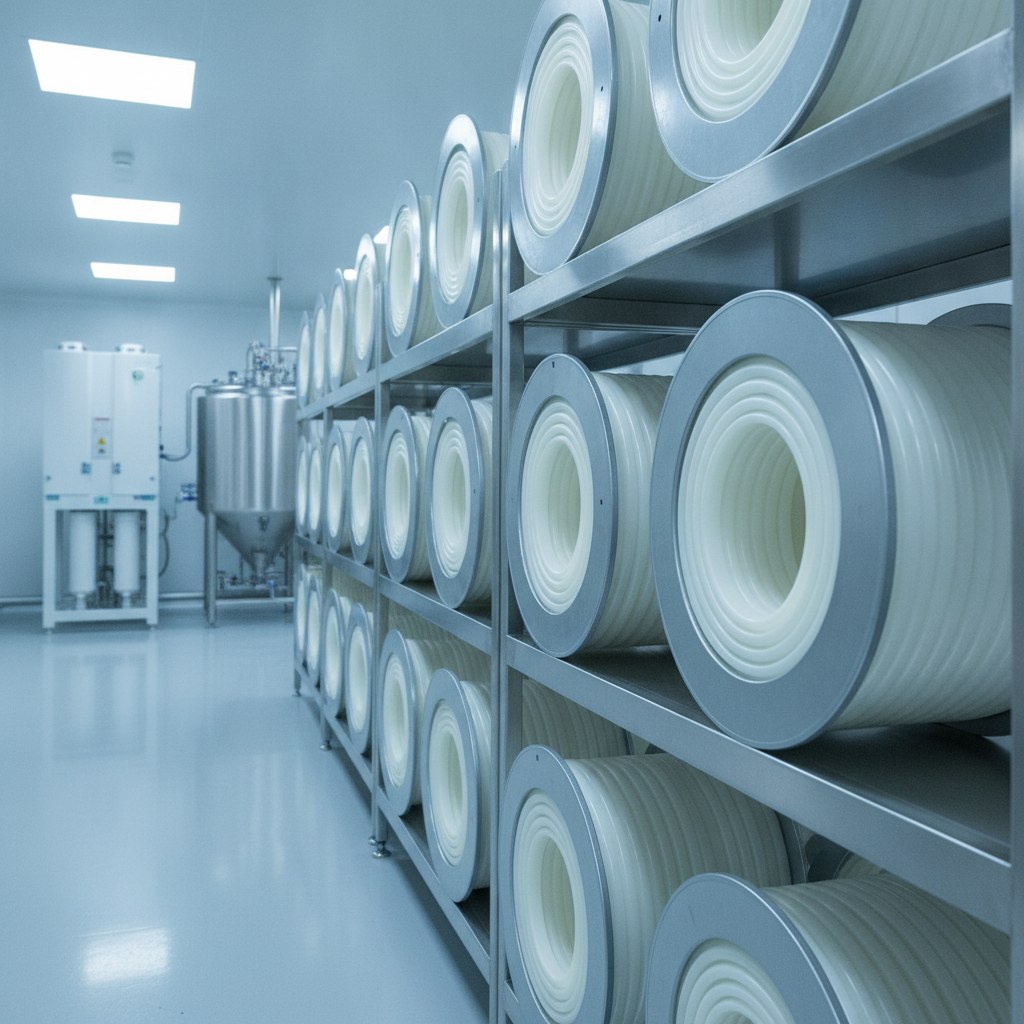
Specification Snapshot
Use these fields to align PTFE tubing material route, chemical exposure, operating conditions, packaging, and documentation.
| Material | PTFE or project-specified fluoropolymer for corrosive media paths |
|---|---|
| Size Range | Capillary tube, standard tubing, thin wall sleeving, and custom dimensions |
| Wall | Thin wall, standard wall, heavy wall, and custom wall thickness |
| Media | Acids, alkalis, solvents, high-purity chemicals, sampling lines, and cleaning exposure |
| Conditions | Working temperature, pressure, flow rate, bend radius, and exposure time |
| Documentation | Dimension report, material file, batch label, COA, RoHS / REACH on request |
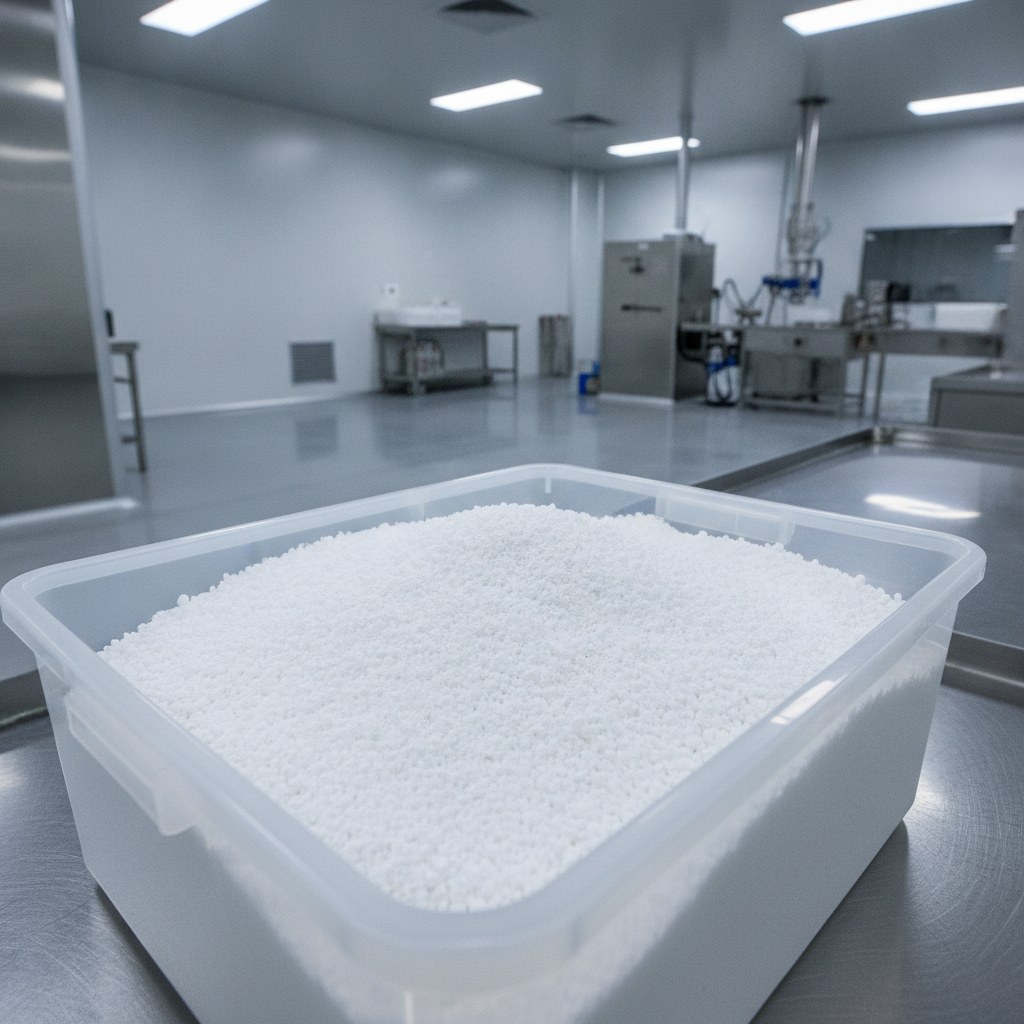
Product Options
Choose the tubing format that fits your media, routing space, tolerance, cleaning method, and assembly process.
General PTFE tubing for corrosive fluid, solvent, gas, and equipment routing paths.
Get a Quote
Lightweight sleeves for protection, insulation, routing, and corrosion-sensitive assemblies.
Get a Quote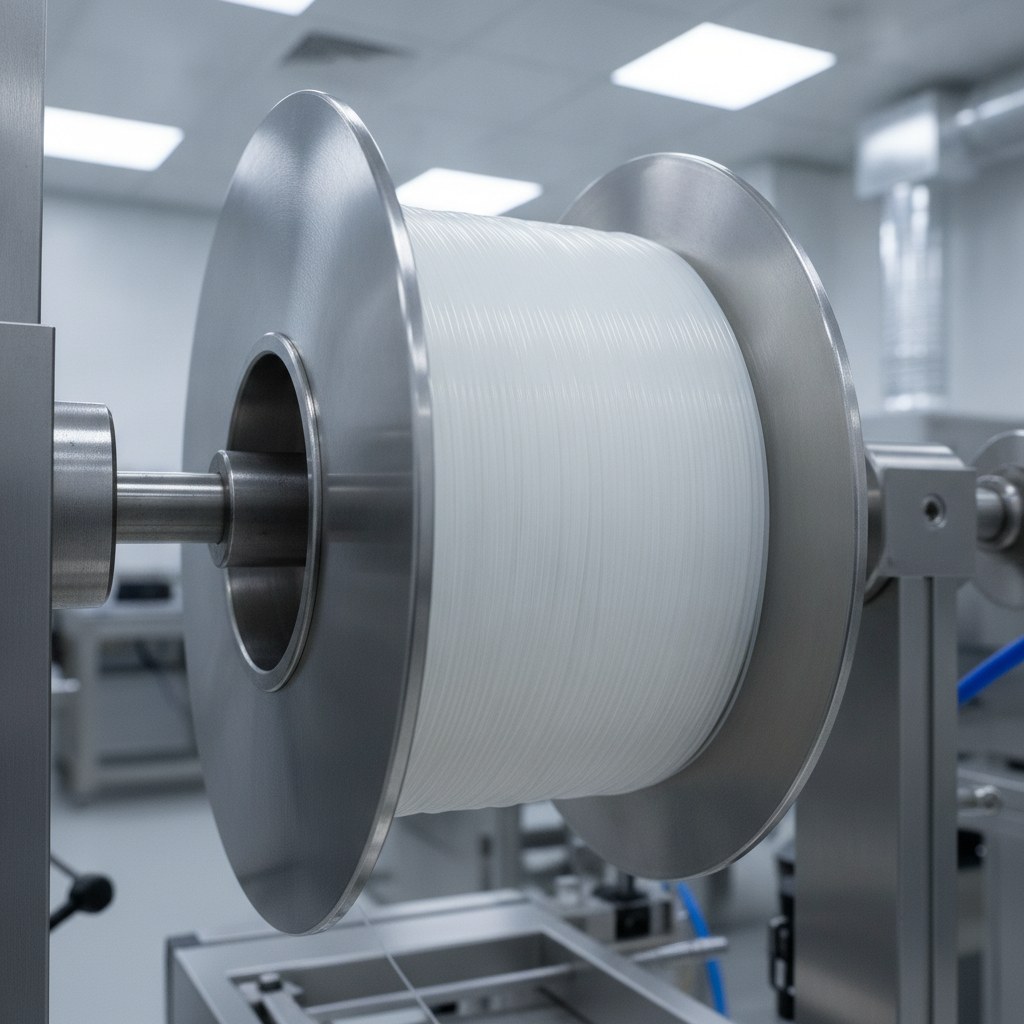
Small ID tubing for analytical instruments, sampling lines, solvents, and low-flow chemical paths.
Get a Quote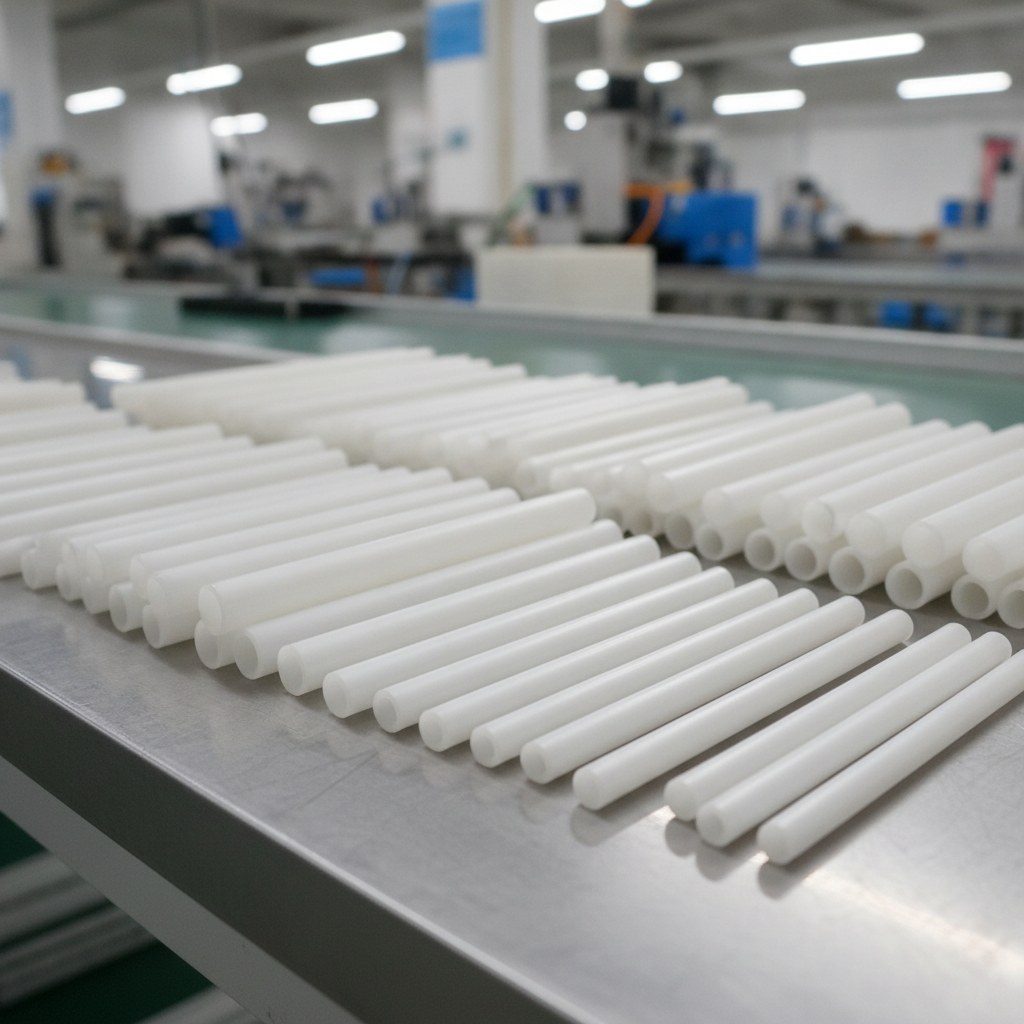
Pre-cut sleeves for OEM assembly, protection kits, instrument modules, and maintenance parts.
Get a QuoteApplication Fit
PTFE tubing is often specified where chemical compatibility, clean handling, and repeatable dimensions are all part of the decision.
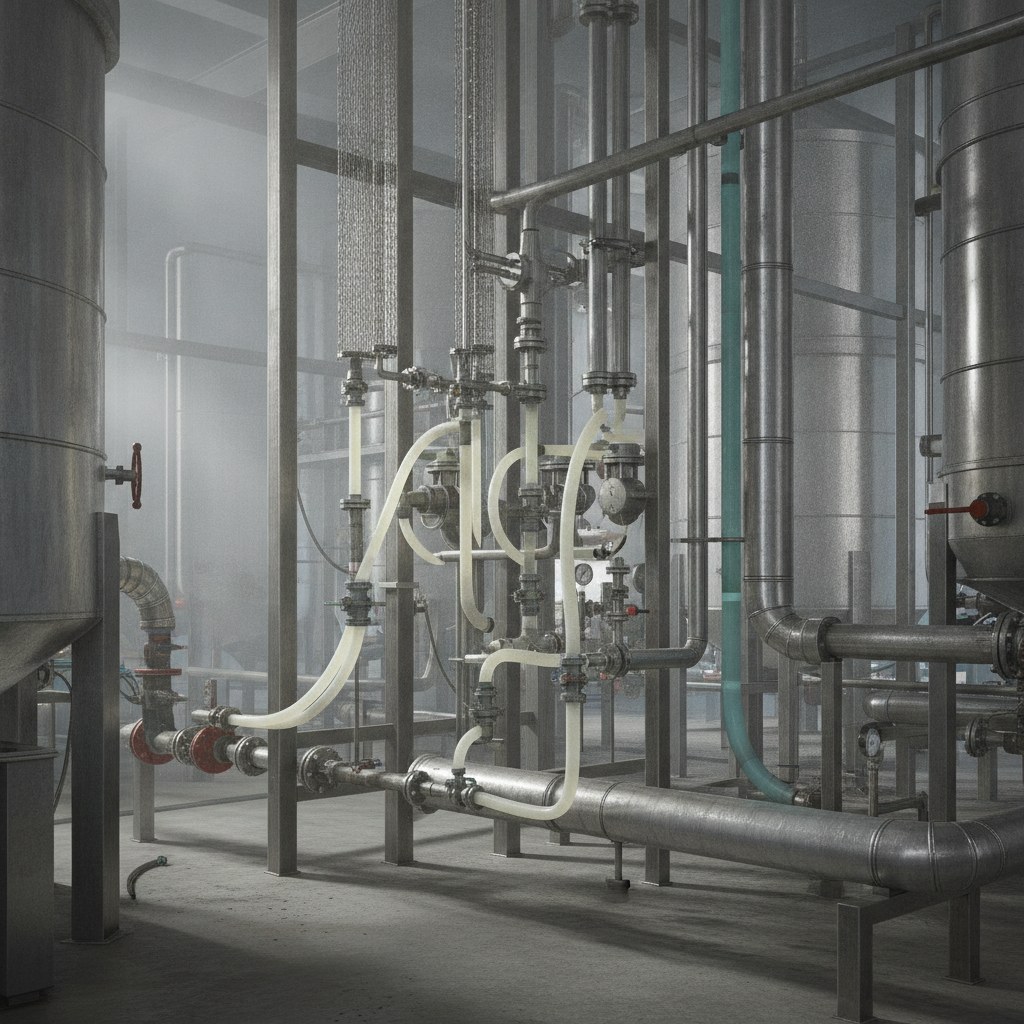
Use PTFE tubing for acids, solvents, transfer paths, and corrosion-sensitive process equipment.
Discuss Your Project
Support high-purity chemical routing and clean equipment paths in wet process tools.
Discuss Your Project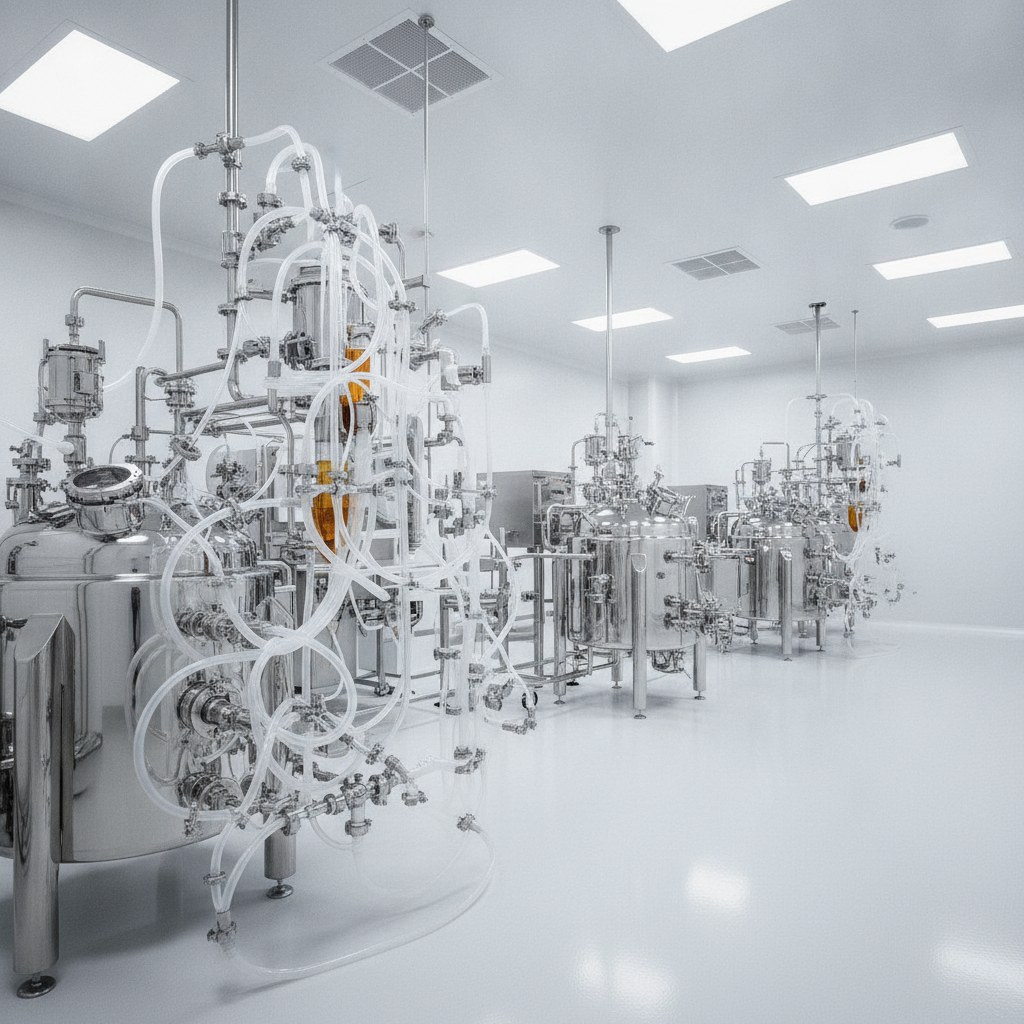
Use PTFE tubing where clean handling, solvent exposure, and documentation are important.
Discuss Your Project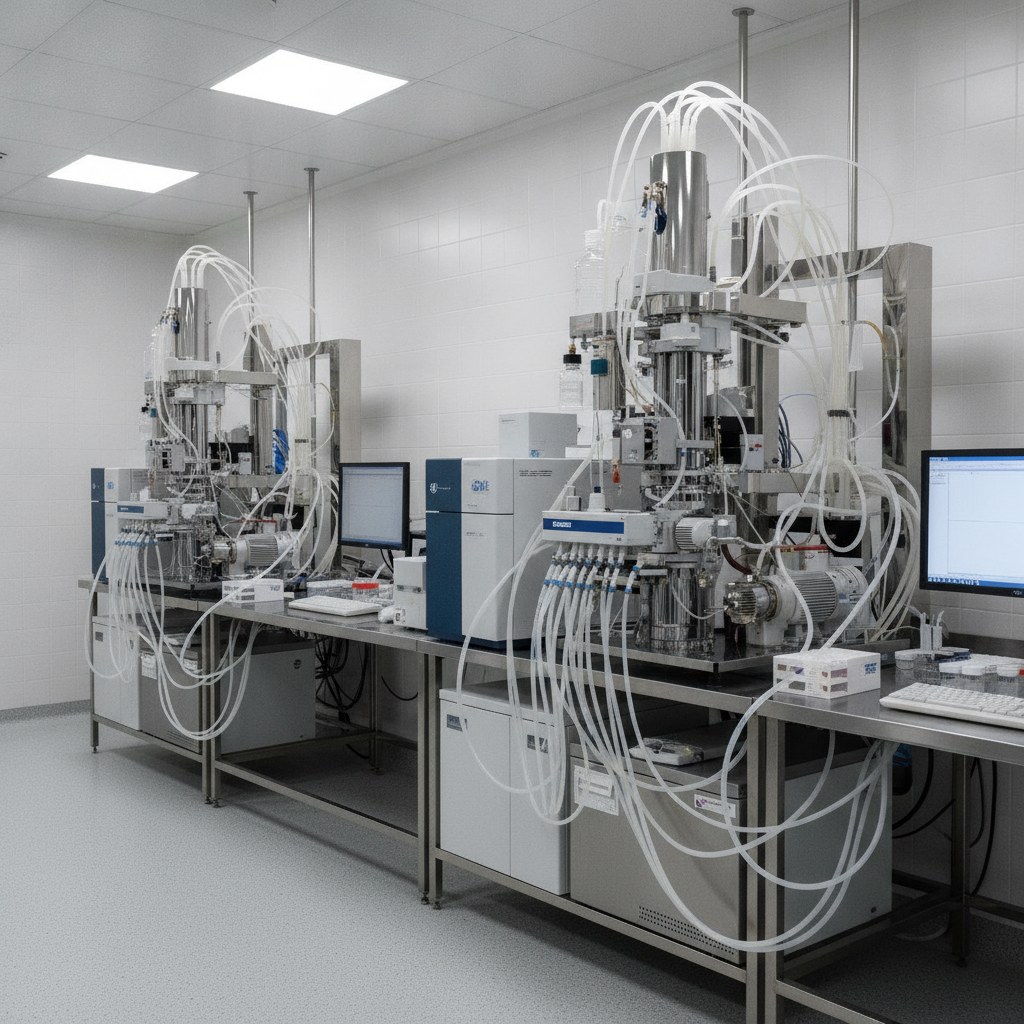
Specify capillary and small ID PTFE tubing for sampling, solvent, and analytical instrument paths.
Discuss Your ProjectManufacturing & QC
Each RFQ can define the media, concentration, temperature, pressure, dimensions, tolerance, inspection method, and packaging requirements.

Confirm media, concentration, temperature, pressure, and cleaning exposure before production.
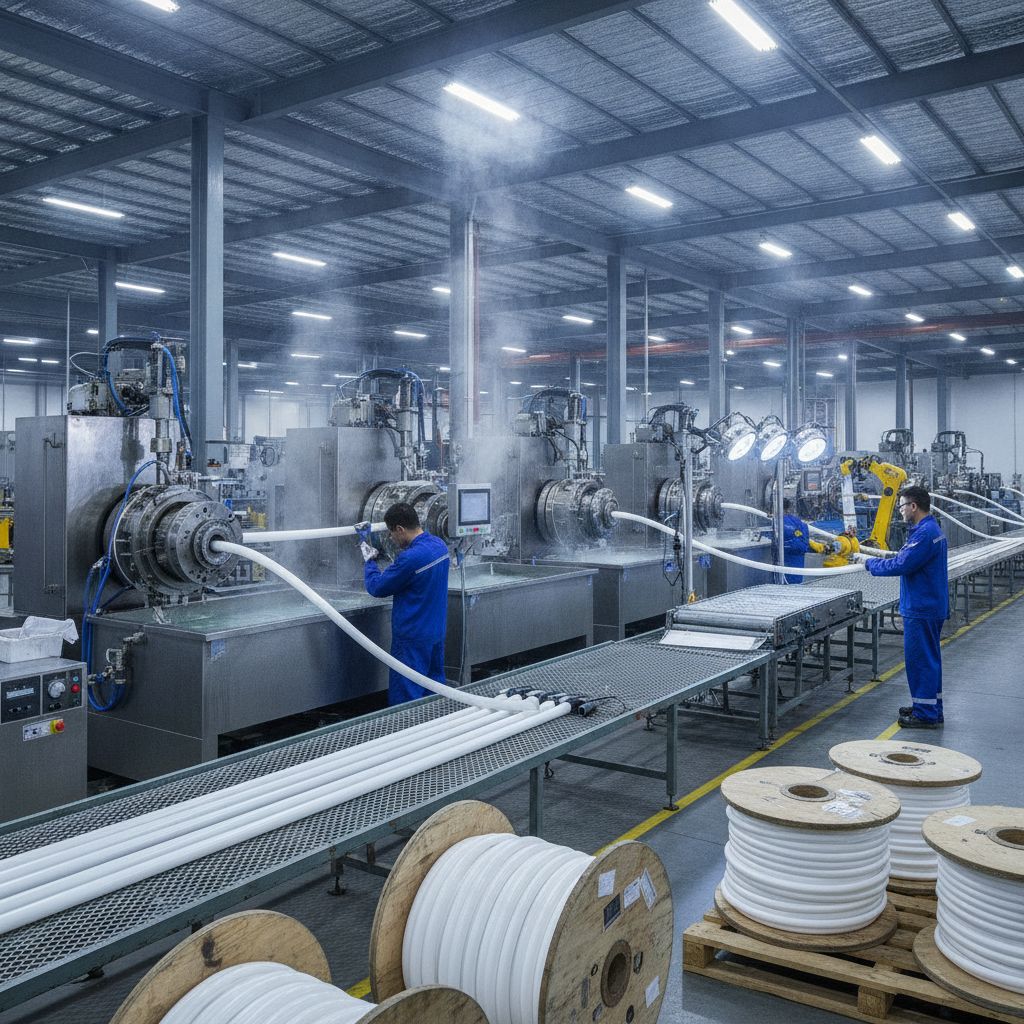
Control dimensions, appearance, surface finish, and project-specific inspection requirements.
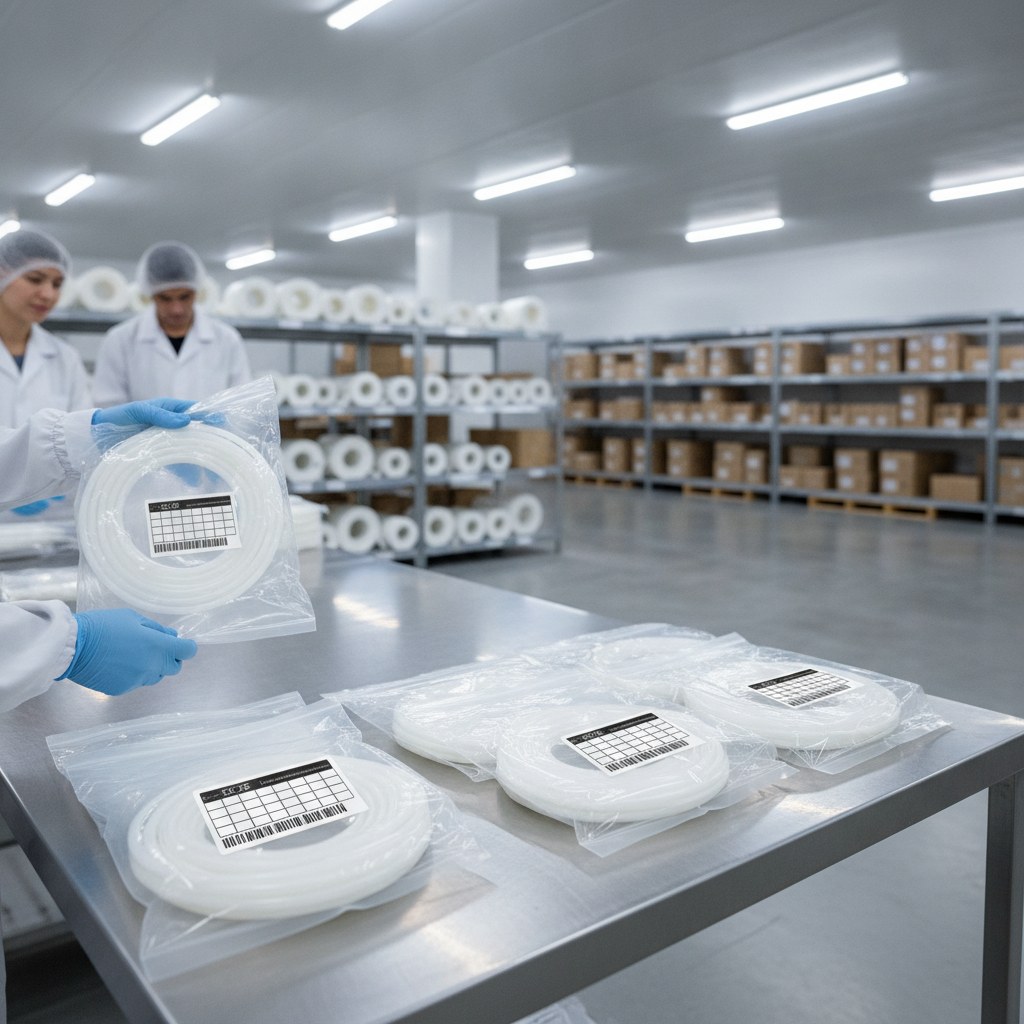
Support coil labels, cut-part counting, clean packaging, batch traceability, and document requests.
Selection Guide
Send these details with your RFQ so engineering can confirm material route, tooling, tolerance, and inspection requirements.
Share chemical name, concentration, cleaning fluid, and exposure duration.
List working temperature, pressure, flow, bend radius, and surrounding environment.
List ID, OD, wall thickness, tolerance, coil length, cut length, or drawing requirements.
Ask for sample lengths, material files, batch records, and packaging requirements.
FAQ
Share the chemical name, concentration, temperature, pressure, exposure duration, and cleaning method. These details help confirm the material route and sample plan.
PTFE is widely selected for corrosive chemicals and solvents, but the full operating condition should still be reviewed before production.
Yes. PTFE tubing can be supplied as standard coils, small ID capillary tubing, straight lengths, or cut-to-length sleeves.
Packaging, batch labels, dimension reports, COA, and material files can be aligned to project requirements.
Send material grade, ID / OD, wall thickness, length, application, chemical media, working temperature, pressure, quantity, certifications, and any drawing or sample reference.
RFQ Support
Send your drawing, chemical media, tubing size, temperature, pressure, and quantity. We can help confirm the PTFE tube route, sample plan, and quote details.
Include as many details as possible so engineering can confirm feasibility and lead time.