ID, OD and Wall
State dimensions, tolerances, concentricity needs and the fitting or component interface.
Confirm against the final drawing
Custom Fluoropolymer Tubing Supply
Source clear, melt-processable FEP tubing by ID, OD, wall thickness, tolerance, supplied length and end condition. We support specification review, production-intent samples and repeat supply for visible chemical paths, laboratory instruments and OEM assemblies that need controlled dimensions, traceability and packaging.

Technical Snapshot
FEP is a clear, melt-processable fluoropolymer commonly evaluated where visible flow, chemical resistance, clean routing or secondary forming is important. The approved tube is defined by the complete assembly—not by material name alone.
State dimensions, tolerances, concentricity needs and the fitting or component interface.
Confirm against the final drawingIdentify chemical media, concentration, temperature, pressure, vacuum, exposure time and cleaning cycle.
Confirm for the complete systemChoose coils, straight cut lengths, matched sets, protected ends, labels and clean handling as required.
Define production-intent packagingList dimensional records, material identification, lot traceability and compliance documents in the RFQ.
Approve the document scope before order| Technical field | Controlled page statement | Order confirmation |
|---|---|---|
| Material | FEP fluoropolymer; grade selected by application and documentation scope | Confirm with drawing and operating conditions |
| ID / OD | Custom or application-specific bore and outside diameter | Confirm with drawing and mating connection |
| Wall | Wall thickness and tolerance defined with the final geometry | Confirm with drawing and operating conditions |
| Length | Coils, straight cut lengths, matched sets or finished components | Confirm length tolerance and packaging |
| Product Forms | Clear tube, capillary, thin-wall, heat shrink, formed ends and custom tube sets | Confirm production feasibility and sample scope |
| Application Inputs | Media, temperature, pressure or vacuum, fitting, cleaning and exposure time | Confirm with drawing and operating conditions |
| Quality Documents | Material identity, lot traceability, dimensional inspection and agreed compliance records | Confirm the document list before order |
Engineering rule: exact limits, tolerances and performance values must be confirmed with drawing and operating conditions.
Material Decision
Choose FEP when its combination of visibility, fluoropolymer resistance and melt processing solves a real assembly need. Do not select it only because another tube looks similar.
Useful when operators or sensors need to observe fluid movement, bubbles, color or contamination.
Consider FEP for aggressive-media routing after the exact chemical, concentration and conditions are reviewed.
Suitable for evaluation in laboratory and monitoring systems where clean routing and controlled sample contact matter.
Melt processing supports custom extrusion, heat forming, flaring, tipping, cut lengths and integrated tube sets.
Review PTFE when lower friction or a different temperature profile is central, PFA when demanding purity or temperature conditions dominate, and ETFE when impact or mechanical strength is the primary need. Material substitution requires assembly-level validation.
FEP Tubing Product Options
Start with the closest product family, then confirm dimensions, service conditions, secondary processing and documentation. Each focused page provides a more specific selection path.
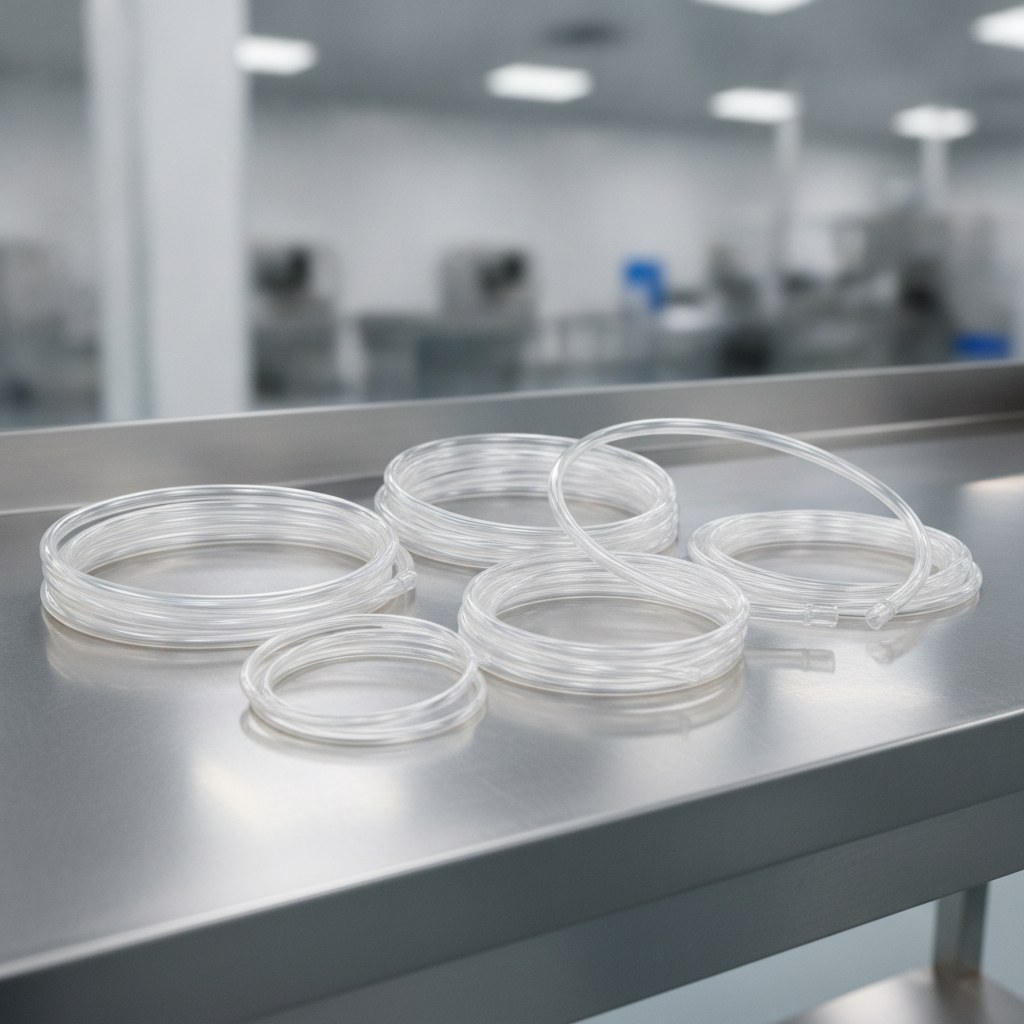
Use custom FEP tubing when the assembly requires drawing-defined ID, OD, wall, tolerance, length or formed geometry. Review the mating fitting, media and supplied condition together, then approve a production-intent sample. This path is suited to OEM replacements, cut tube sets, shaped ends and applications where a standard catalog size does not control fit. List inspection and packaging requirements before tooling or sampling begins.
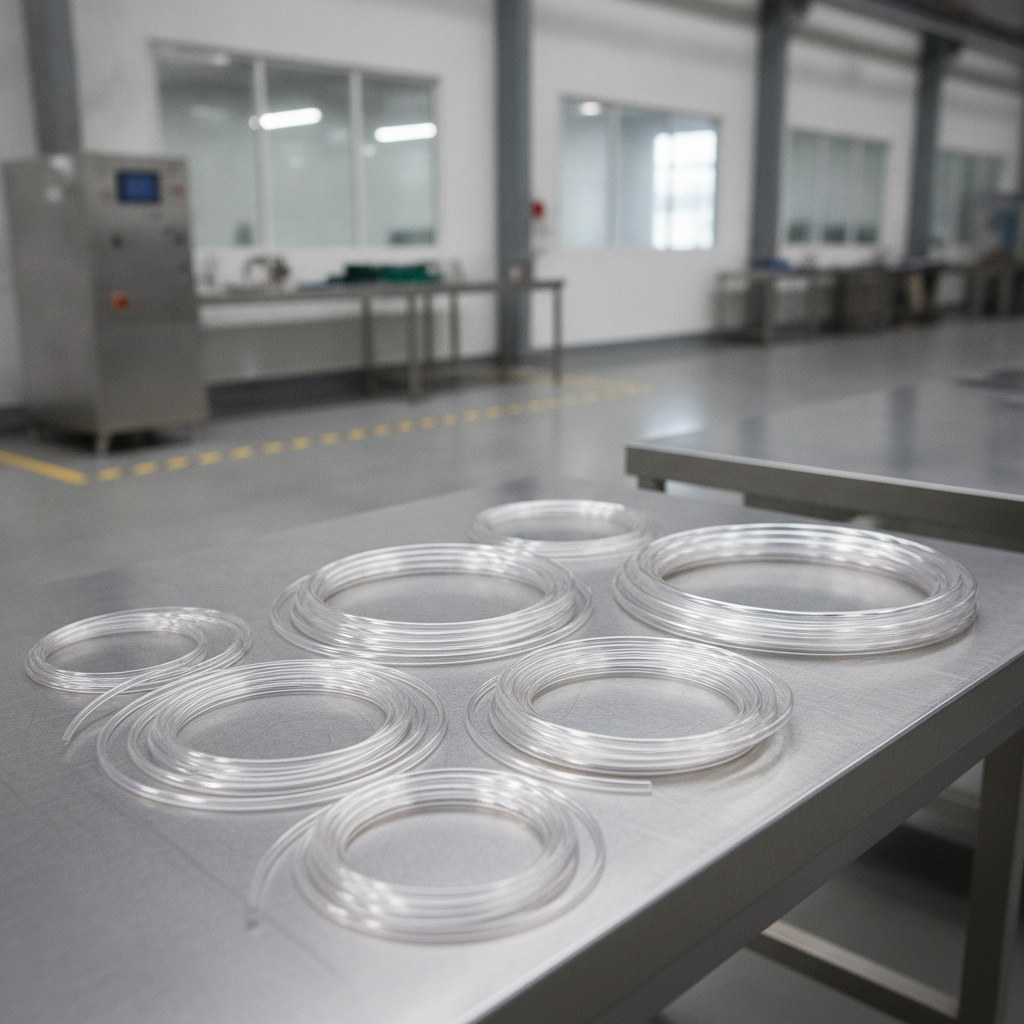
Choose clear FEP tubing for visual flow paths when operators or instruments need to observe liquid movement, bubbles, color or contamination. Specify the clarity need together with media, dimensions, wall, pressure or vacuum and cleaning method. Clear appearance supports inspection, but it does not replace chemical-compatibility or complete-system validation. Also define lighting, surface quality and acceptable visual defects when appearance is critical.
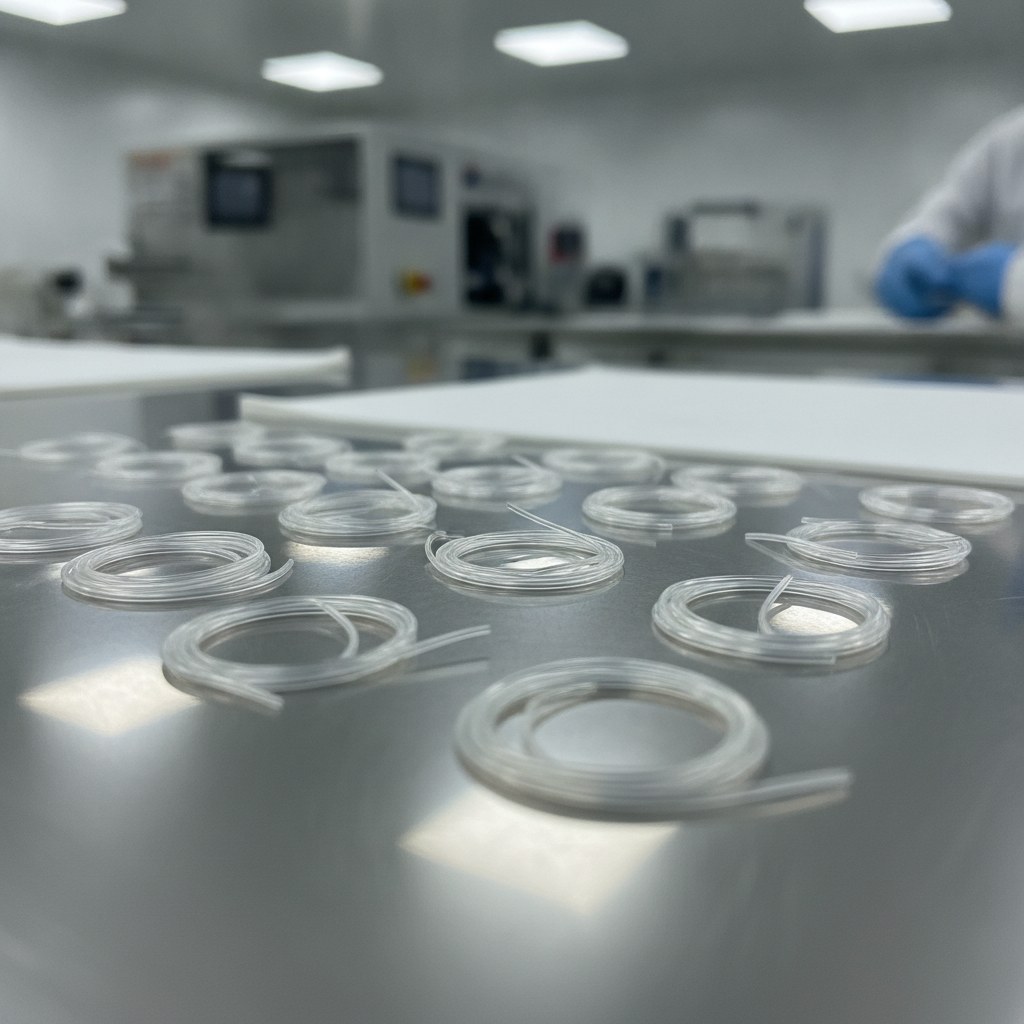
FEP capillary tubing supports small-bore, low-volume routing in dosing, analytical and instrument systems. Define bore, outside diameter, wall, tolerance, cut length and connection dead space. The quote should also state the media, cleaning process and acceptable carryover because a capillary path is selected by the complete flow task, not bore size alone. For OEM use, confirm connector retention and assembly handling.
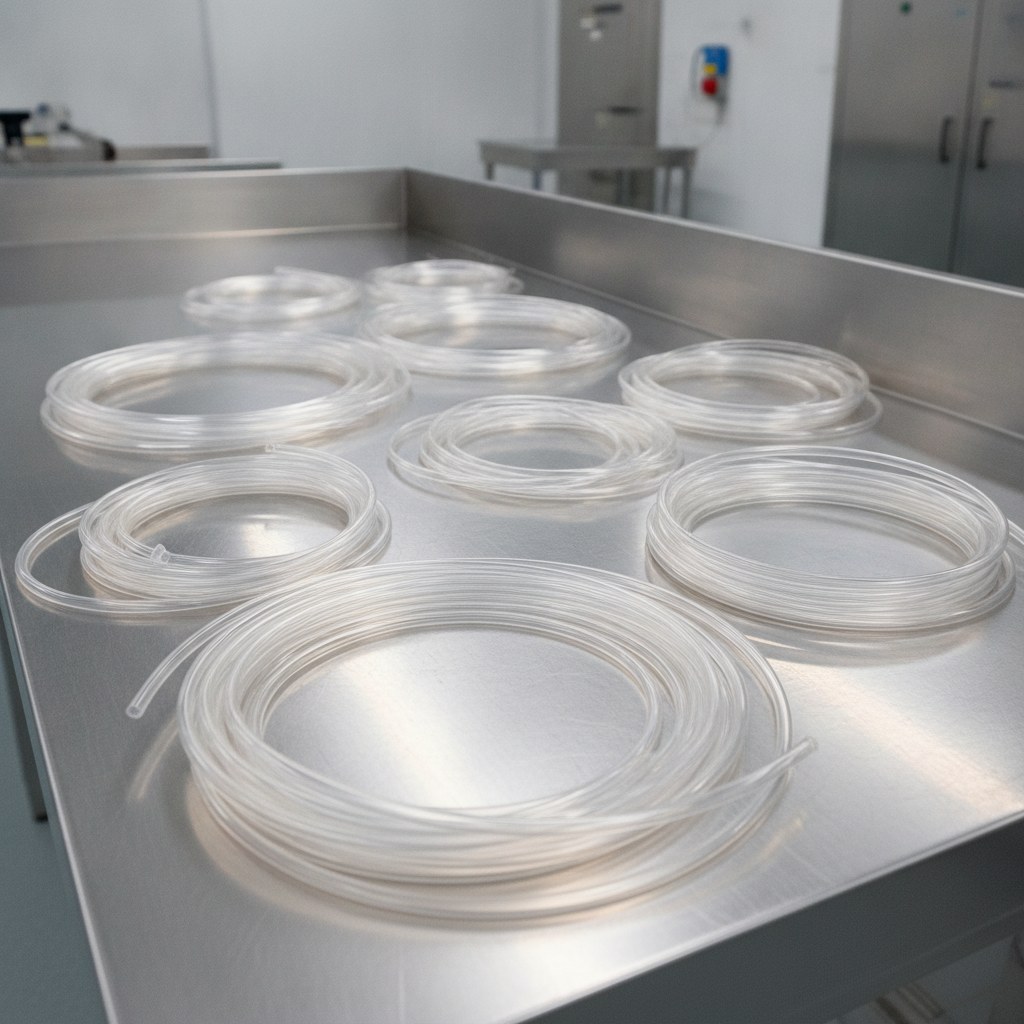
High-purity FEP tubing is the focused path for contamination-sensitive fluid handling that needs controlled resin, handling, packing or traceability. State the purity target, cleaning expectation, packaging environment and every required record before sampling. Compliance and cleanliness claims are confirmed for the selected grade and order scope rather than assumed from the material name. Include lot, bagging and receiving controls in the purchase specification.

FEP sampling tubing is reviewed for environmental monitoring, gas analysis and analytical sample transfer where carryover, response and clean routing matter. Provide the sampled media, flow task, total length, connections and cleaning method. The selected size and supplied length should balance sample volume, pressure loss, response time and installation needs. Specify replacement intervals, labels and protected-end packaging when the line is serviced routinely.
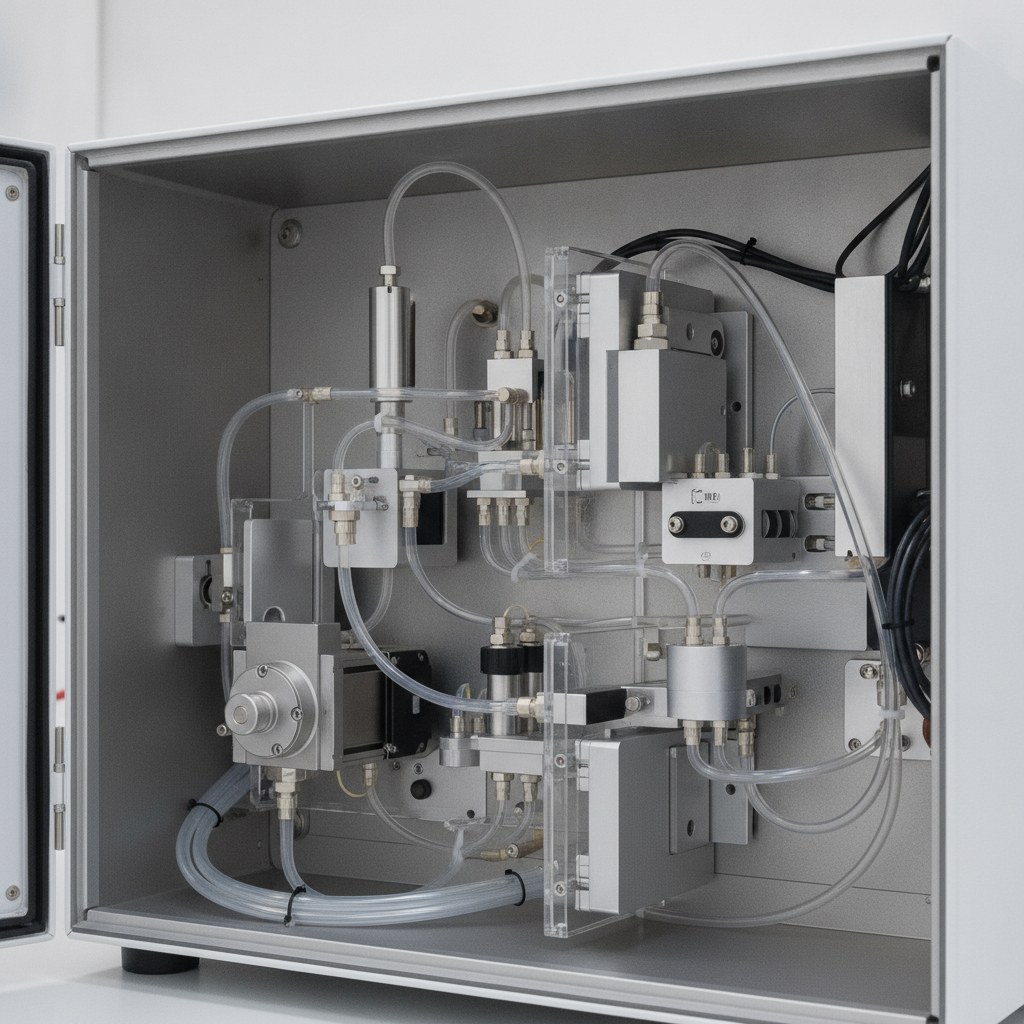
Laboratory FEP tubing supports reagent lines, analytical instruments, gas analysis and compact fluid modules. Define chemical contact, temperature, cleaning, connection type and allowable dead volume before choosing the tube. Custom cut lengths, labels and tube sets can be reviewed when the laboratory system needs repeatable assembly or controlled replacement parts. For repeat builds, lock the drawing revision and kit configuration.
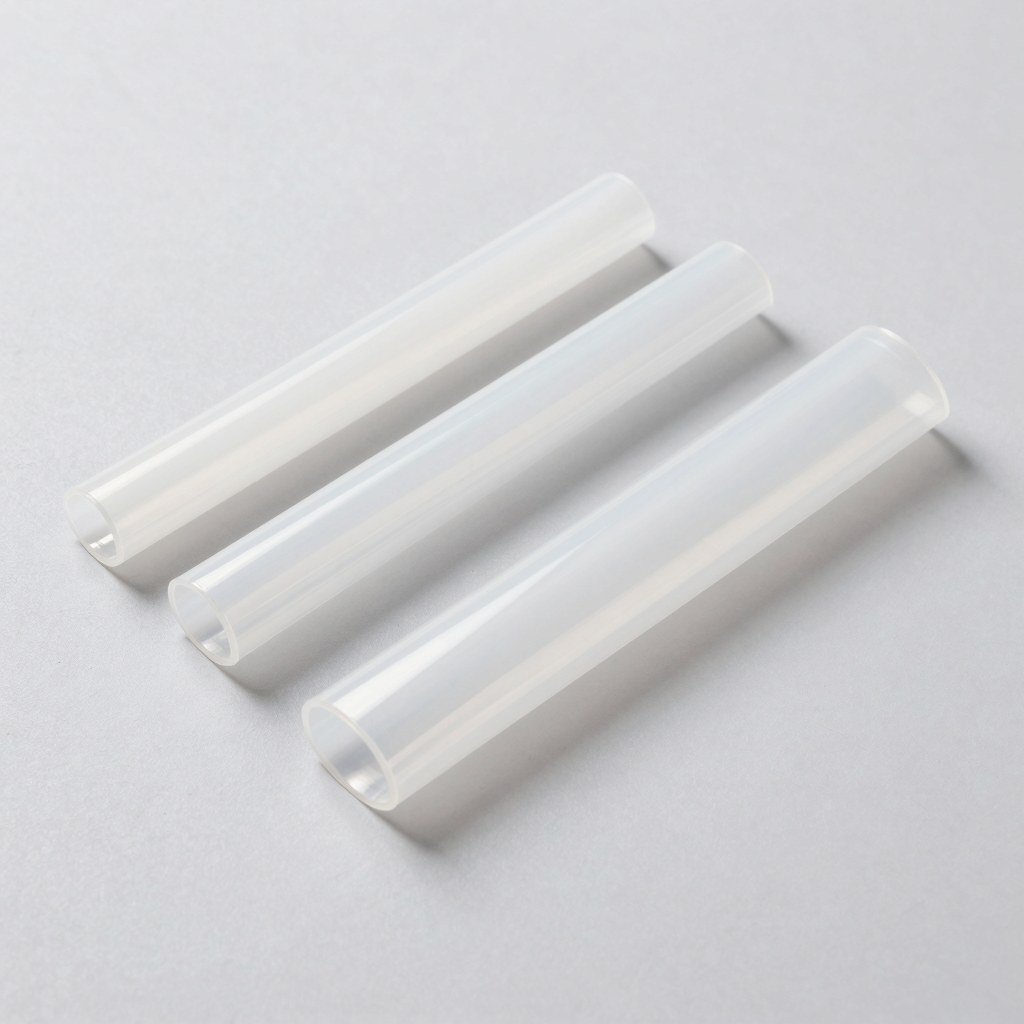
FEP heat shrink tubing is selected by expanded ID, recovered ID, wall, covered component and recovery process. Use it for protective sleeves, encapsulation or formed interfaces only after the underlying part and heating method are reviewed. A production-intent sample should confirm recovery, surface contact and the finished assembly. State the recovery equipment, temperature control and protected areas in the validation plan.

Thin-wall FEP tubing is considered when compact routing, reduced profile or electrical insulation matters. Specify the conductor or fluid-path fit, wall tolerance, handling and bend route. Reduced wall changes mechanical behavior, so pressure, vacuum, installation loads and connection security must be confirmed for the actual dimensions and operating conditions. Provide the assembly method and minimum acceptable wall during review.
Custom Size and Forming Capabilities
Custom work begins with the final assembly interface. Dimensions, tolerances, formed features, supplied length and packaging are reviewed together so the approved sample can represent repeat production.
Replacement parts: send the original tube or drawing plus the mating fitting. Equal nominal dimensions do not guarantee the same seal, stiffness, friction or insertion behavior.
Application Fit and Limits
Use the application examples as a starting point. Final approval depends on media, temperature, pressure or vacuum, cleaning, connections, regulatory scope and how the tube is installed.
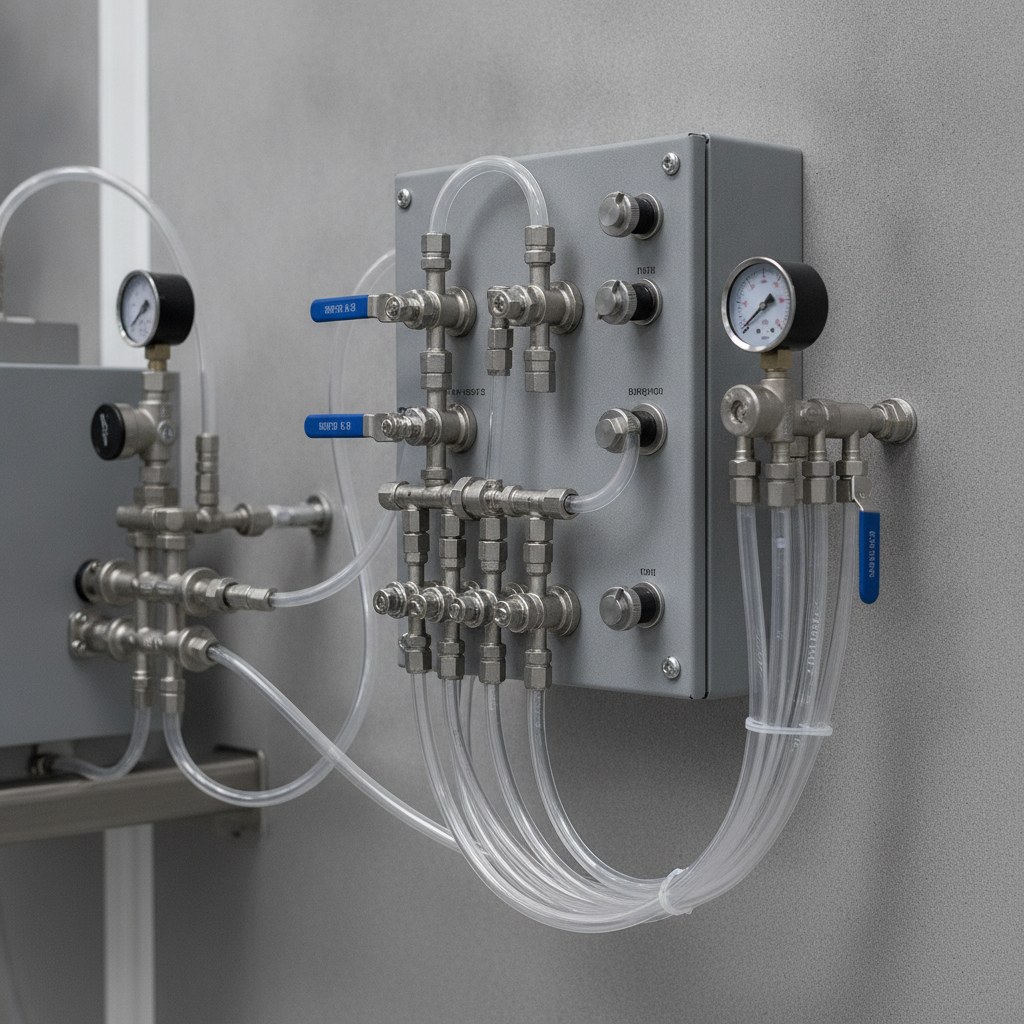
Fit: visible routing and chemical resistance.
Confirm: chemical, concentration, temperature, pressure and fittings.
Fit: low-volume sample and reagent paths.
Confirm: carryover, cleaning, residence volume and connection dead space.
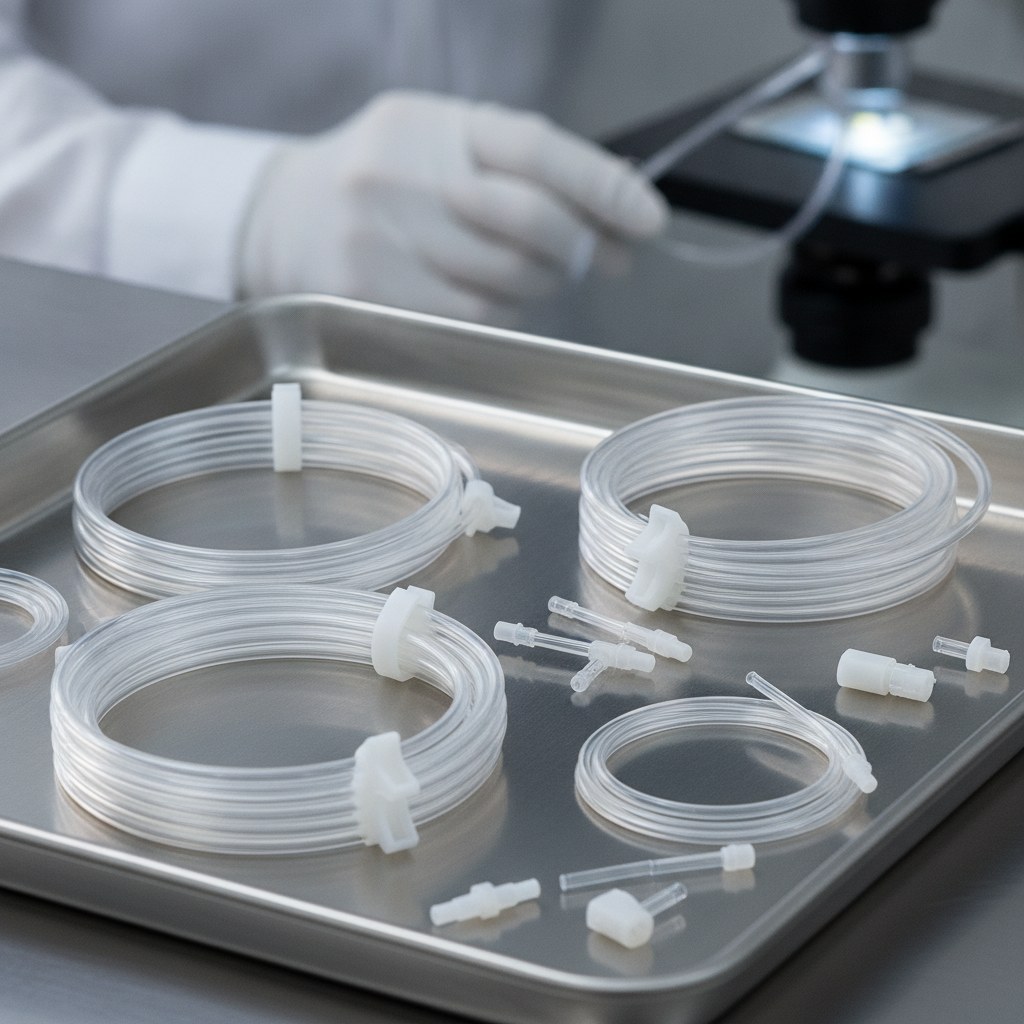
Fit: custom sizes, formed ends and repeat tube sets.
Confirm: drawing revision, mating components, inspection and packaging.

Fit: controlled resin, handling and traceability.
Confirm: purity target, cleaning, packing and required records.
Do not infer pressure, vacuum, bend radius, permeability, extractables, sterilization compatibility or service life from material name alone. Confirm with drawing and operating conditions, then validate the assembled system.
Material Comparison
The best fluoropolymer is the one that satisfies the actual fluid, temperature, purity, visibility, routing and mechanical requirements. Materials with the same dimensions are not automatically interchangeable.
| Material | Common selection reason | Processing / appearance | Decision boundary |
|---|---|---|---|
| FEP | Visible flow, chemical resistance and formed components | Clear or translucent and melt-processable | Confirm temperature, pressure, purity and fitting compatibility |
| PTFE | Lower-friction or different high-temperature requirements | Usually opaque or translucent and processed differently | Do not assume it reproduces FEP seal or forming behavior |
| PFA | Demanding purity and temperature conditions | Melt-processable fluoropolymer for critical fluid service | Compare purity, temperature, clarity and project economics |
| ETFE | Mechanical strength, crush and impact resistance | Melt-processable with less emphasis on clear flow observation | Use when mechanical protection outweighs FEP visibility |
Manufacturing and Quality Evidence
The quality plan follows the approved drawing and order scope. Required tests, records and acceptance criteria should be stated before production rather than assumed after shipment.

Review drawing revision, resin need, dimensions, tolerance, service conditions, mating parts and sample criteria.
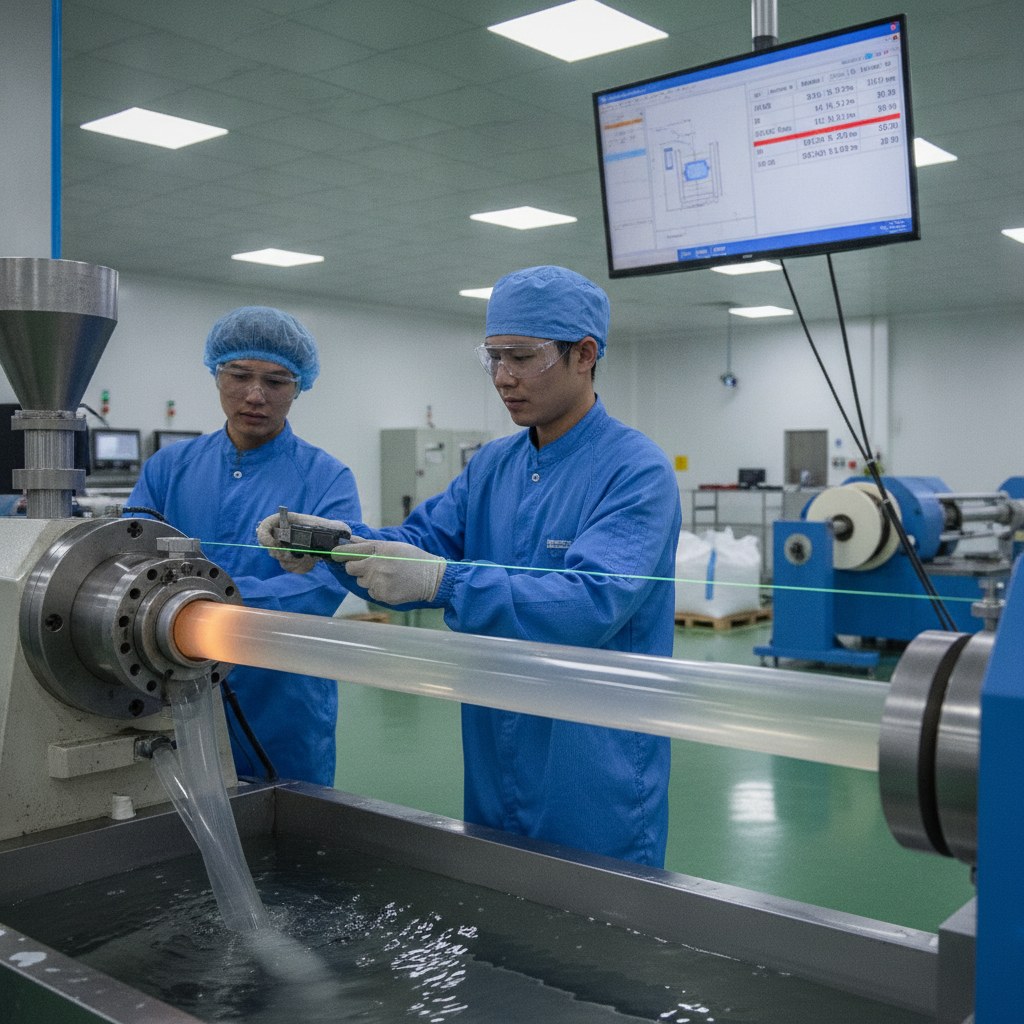
Control ID, OD, wall, appearance, length and formed features against the approved inspection plan.
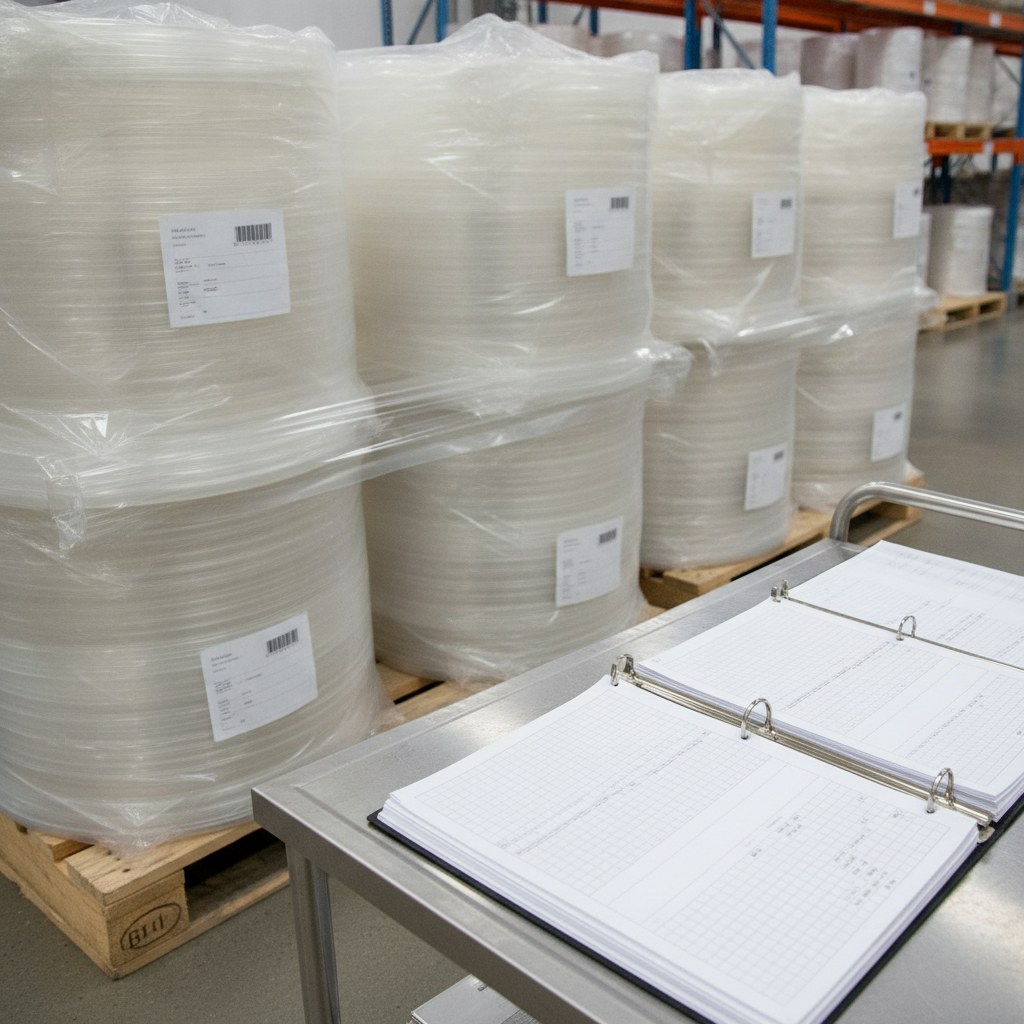
Protect coils and ends, identify lots, and provide the records agreed in the quotation and purchase specification.
Lock dimensions, application, connections and supplied condition.
Review a production-intent sample against the drawing and assembly.
Apply agreed dimensional, appearance and order-specific checks.
Maintain the approved revision, material and packaging requirements.
FEP Product Cluster Navigation
Use the focused pages below when the project is already defined by size, purity, sampling, laboratory use, heat shrinking or custom processing.
FEP Buyer Questions
These answers cover the information buyers need before requesting a sample, approving a custom size or replacing an existing FEP tube.
FEP tubing is an extruded tube made from fluorinated ethylene propylene, a melt-processable fluoropolymer. It is often selected for clear or translucent fluid paths, chemical resistance, electrical insulation and components that need thermoplastic forming. The final tube still must be matched to the actual dimensions and operating conditions.
FEP is often selected for clear flow observation and thermoplastic forming. PTFE is commonly considered for higher-temperature or lower-friction needs, PFA for demanding purity and temperature conditions, and ETFE for mechanical strength. The final choice must follow the operating conditions.
Yes. Custom dimensions and cut lengths can be reviewed from a drawing, tolerance plan, quantity and application. Feasibility is confirmed against tooling, resin, extrusion stability, end condition, packaging and the final operating conditions.
Review the exact chemical, concentration, temperature, pressure, exposure time, cleaning method and fitting materials. General material resistance is only a starting point; confirm compatibility for the complete assembly and the intended service cycle.
There is no single working temperature or pressure that applies to every FEP tube. Confirm the actual ID, OD, wall, media, temperature, pressure or vacuum, connection design and safety factor from the drawing and operating conditions.
Compliance is reviewed by resin grade, finished-tube scope, application and required document. State the exact food, medical, USP, FDA or other requirement in the RFQ. Do not assume every FEP grade or finished tube carries the same compliance status.
Send the size, quantity, grade, secondary processing, inspection and packaging requirements. Sample availability, minimum order quantity and lead time depend on stock material, tooling, production route and the approved order scope, so they are confirmed in the quotation.
Provide the required ID, OD, wall thickness, tolerance, length, quantity, media, operating temperature, pressure or vacuum condition, fitting interface, packaging and documentation requirements. A drawing or existing sample helps with OEM replacement review.
Canonical FEP Tubing RFQ
Share the drawing, target dimensions, application and operating conditions. We will review production feasibility, sample scope, inspection needs, packaging and quotation for the specified FEP tubing.
Use this field order so the request can move directly into specification review.